engineering medical devices, from concept through production
4 of 20
largest MedTech manufacturers in the world rely on us.
3
MedTech accelerators we advise: Accelerator 1, Accelerator 2, Accelerator 3
Your prototype works. That doesn't mean your device will.
Signal variability, integration breakdowns, and manufacturing drift are often built in from the start. Early testing rarely catches them. They show up in validation, after the design is locked and the schedule is tight, when every change costs you.
A prototype proves the idea. It doesn't prove the device will hold up with real users, in real environments, at production volume. We look for those gaps early, while fixes are still simple.
For over 25 years, we've helped MedTech teams take promising concepts all the way to devices that hold up on the production line and in the field.
Capabilities
We prioritize what most directly drives real-world performance, and engineer robust solutions that hold up from development to production.
Data Capture & System Performance
Connected Systems & Data Integrity
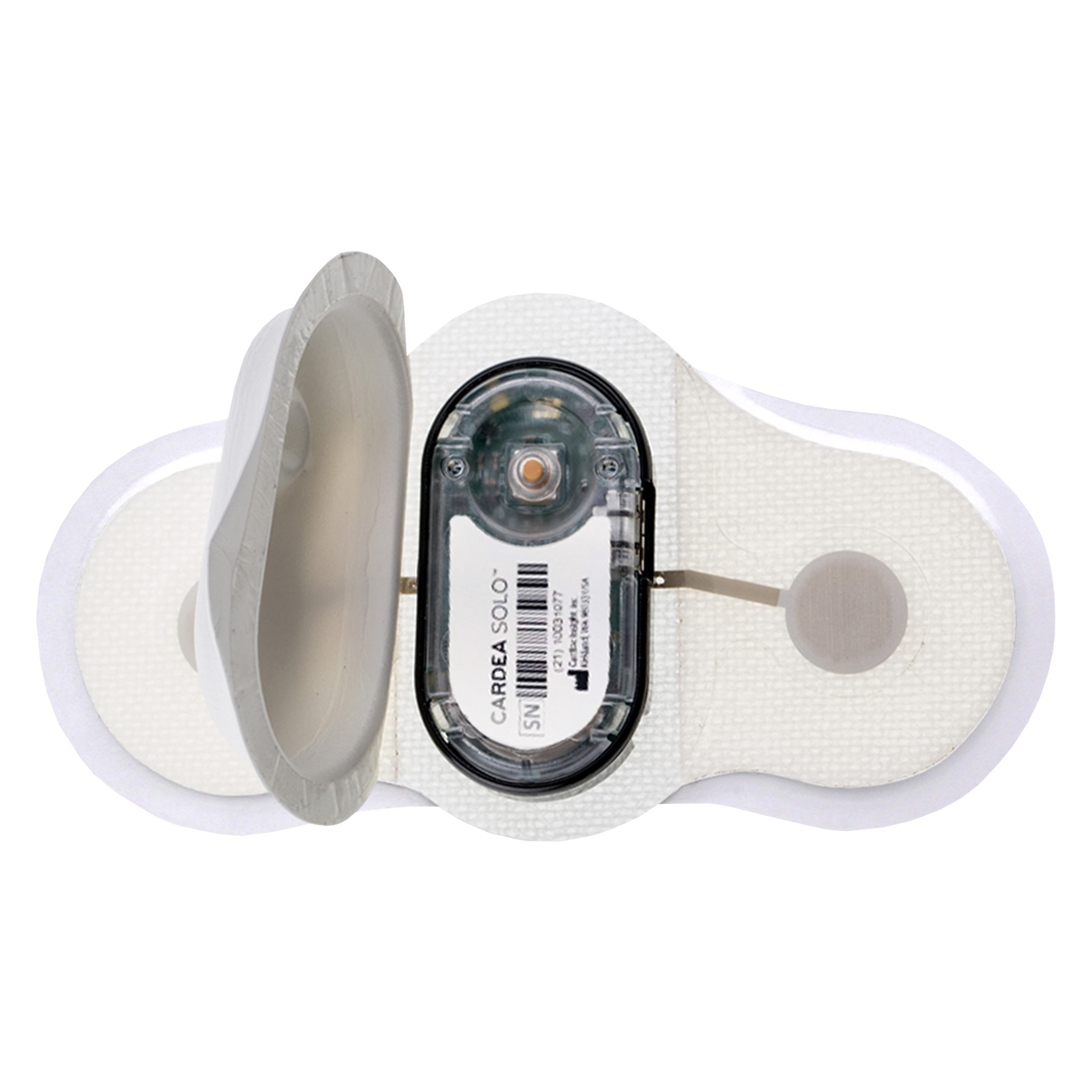
Wearables & Patient Monitoring
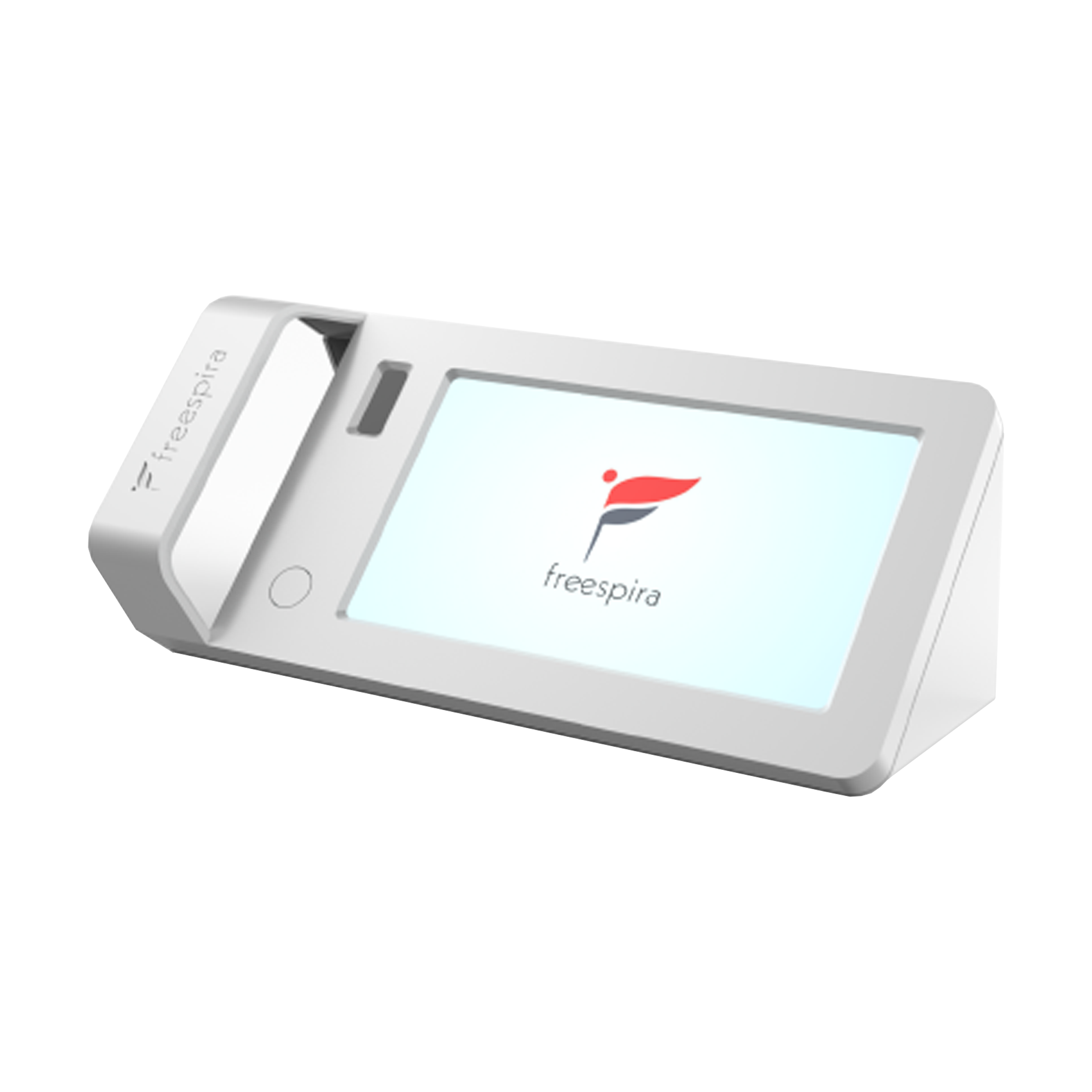
Imaging & Diagnostic Platforms
Early Concept & Quick Prototyping
Full Productization & Scale
Reliable device behavior starts with how signals are captured, processed, & interpreted across the full system.
Sensor selection and integration across electrical, optical, and chemical domains
Analog front-end and signal chain design
Data acquisition and processing architecture
Noise, interference, and variability management
Calibration and test strategies aligned with real-world use
Medical devices increasingly rely on connected architectures and secure data handling.
Embedded and cloud-connected system design
Data pipelines from acquisition through storage and analysis
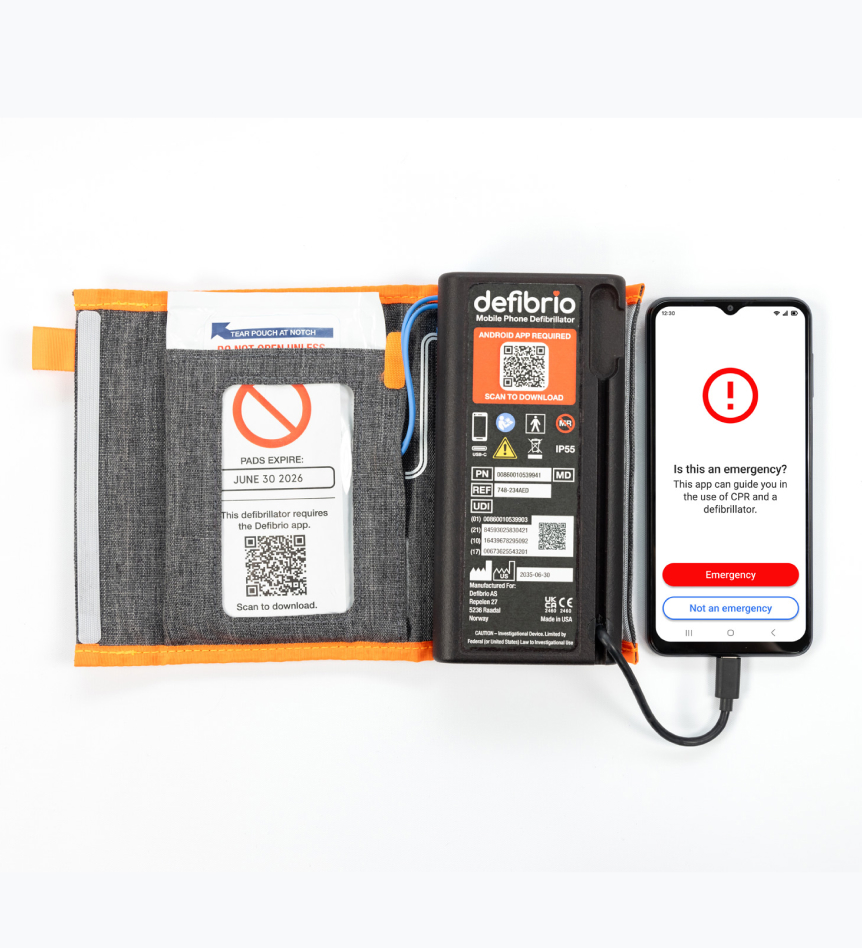
Integration with mobile and external systems
Cybersecurity considerations that include device risk and use Wifi and Bluetooth enabled systems
Devices must maintain performance under motion, environmental exposure, and day-to-day use.
The miniaturization of integrated mechanical, electrical, and firmware development
Ruggedization for shock, vibration, and environmental conditions
Power systems and battery constraints
Human factors and usability considerations
System-level performance directly impacts data quality and clinical outcomes.
Optical and imaging system development
Electrochemical and biomarker detection systems
System integration and performance optimization
Test methods supporting validation and clinical use
Building the prototype you need to move to the next milestone.
Rapid prototype systems for feasability, pre-clinical work, and data collection.
Platforms for algorithm development and AI/ML training
Pre-clinical test build
"Looks like" build for investors
Industrial design, rendering, and workflow illustrations
We support both rapid iteration and structured delivery.
Design for manufacturability and scale
Design and engineer a looks and works like prototype
Verification and validation planning and execution
Low-volume builds for preclinical and clinical use
Transition to contract manufacturing
Our work in action
Engineering Case Studies
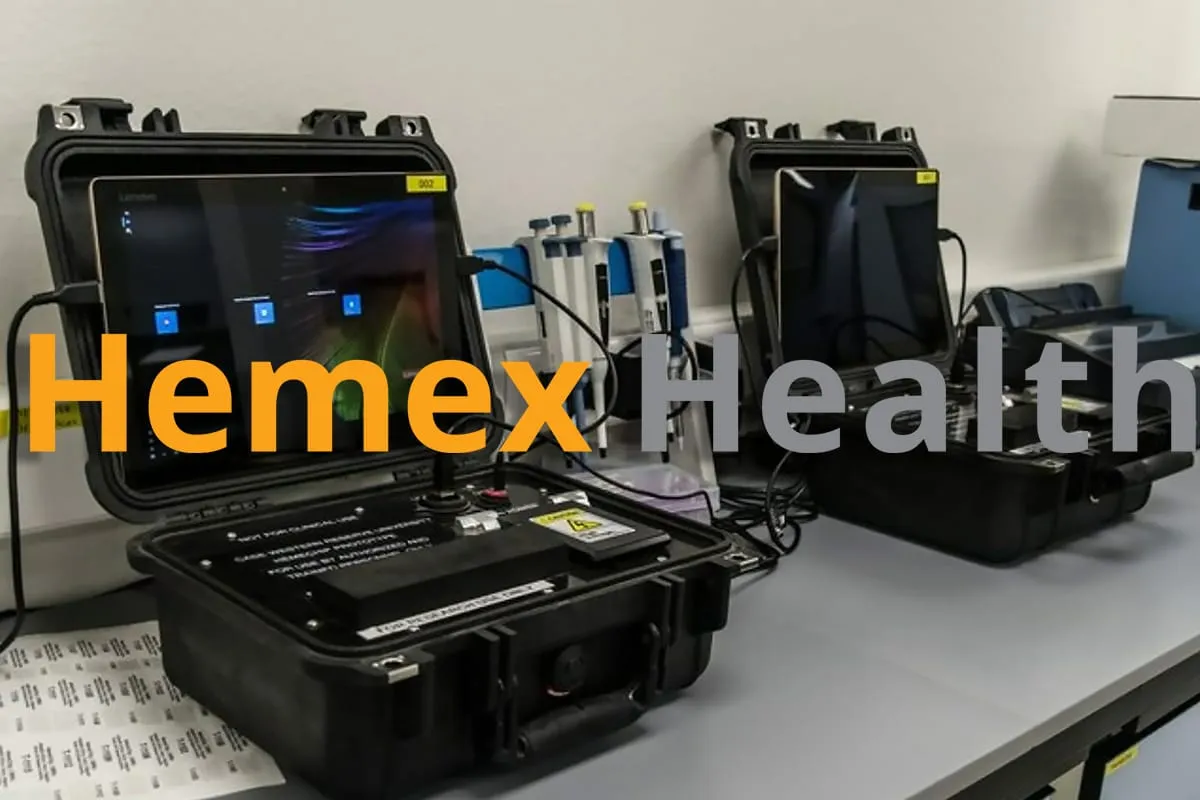
MedTech Rapid Prototyping | Delivering a Field-Ready Diagnostic Device for Hemex Health
Rigor and speed, from one team
In complex medical devices, performance breaks down at the intersections that are hard to see early and expensive to fix late.
Rigorous when it matters
Structured design controls and QMS alignment for regulatory-stage programs.
Speed under pressure
Rapid iteration and early feasibility builds outside of formal controls and pathways.
Program ownership, not a lane
Handoffs are where programs lose ground. We stay engaged from prototype to production.
Built for regulated reality
Documentation that reflects real system behavior, traceability from requirements through design to validation, and decisions that hold up under technical and regulatory review, aligned to standards such as ISO 13485.
Ben Luts
Senior Program Director
“Sometimes the teams we work with have already proven the science. In those cases, our job is the distance between that and a device that holds up with real users, in real environments, and in production. We close it by finding risks early, considering constrains that matter years from now, building experiments on our own lab to validate the engineering, and aligning with the client on priorities, success criteria, and milestones.”
See the challenges coming. Build a device that holds up.
Tell us where you are today, and we'll help you catch the risks while they're still easy to fix.