Built for hard problems
We specialize in complex electromechanical products where requirements evolve, constraints compete, and failure is costly — technically, commercially, or clinically.

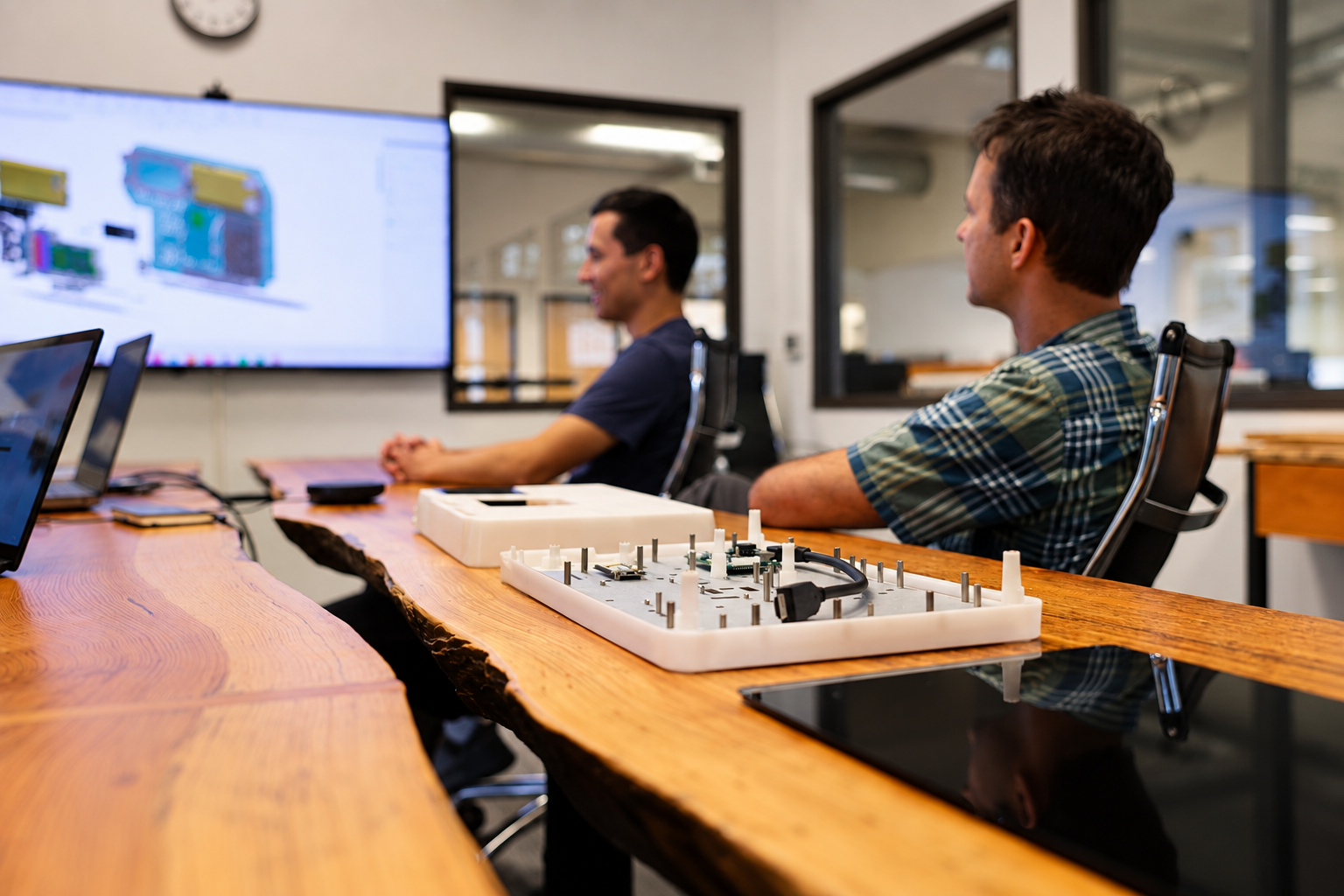
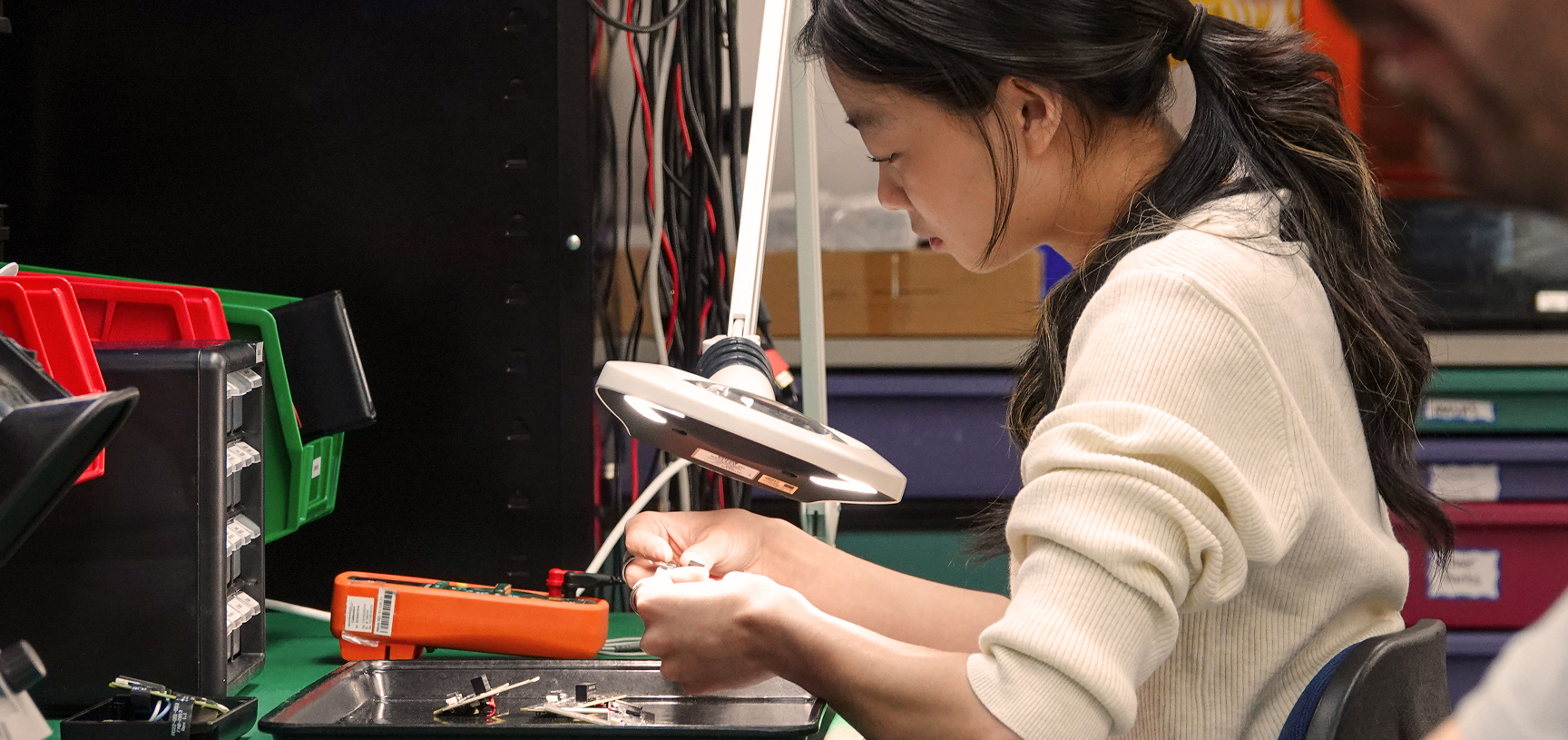

We start by clarifying requirements, constraints, and risks — then focus engineering effort where it matters most.

Cross-disciplinary teams collaborate to build cohesive, manufacturable systems — not disconnected components.

Testing and data guide design decisions, ensuring performance and reliability before larger investments are made.

We support design transfer, early low-volume manufacturing, and production ramp to bridge the gap


Bring in a partner when the risk, speed, or complexity exceeds your team’s current bandwidth or experience. External partners earn their keep on first-time-right work, compressed timelines, and decisions where getting it wrong is expensive. In-house teams are best for long-term ownership; partners are best for moments that can’t afford a learning curve
Good process is clear ownership, disciplined decision-making, and documentation that reflects how the product actually works—not busywork for auditors. It front-loads risk, forces tradeoffs into the open, and keeps engineering, quality, and manufacturing aligned as the design evolves. The goal isn’t compliance theater—it’s predictable outcomes under scrutiny.
You design with manufacturing constraints in the room early—process capability, tolerances, supply chain realities, and test strategy included. That means resisting clever-but-fragile designs and validating assumptions before they’re locked into tooling. Scalability is less about optimization and more about disciplined simplicity.
System architecture, component selection, and tolerance stack-ups are the big ones. These decisions quietly shape cost, reliability, compliance, and manufacturability—and they compound over time. Once they’re embedded, fixing them usually means schedule slips or full redesigns.
Senior engineers who integrate fast, ask hard questions, and take responsibility for outcomes—not just tasks. You should expect clear thinking, calm execution under pressure, and decisions grounded in experience rather than opinion. In short: fewer surprises, better tradeoffs, and work you don’t have to babysit.


.png)