
Bringing a medical device from concept to market is a complex process. Beyond a great idea, it requires expert engineering, rigorous validation, regulatory compliance, and precision manufacturing—all while adapting to compressed timelines. For innovators, MedTech development hurdles can feel overwhelming without the right support. Adding multidisciplinary engineering expertise to your team is essential to eliminate roadblocks and accelerate your journey to market.
In this series, we address four critical questions for MedTech developers:
This blog—the fourth in our Accelerating MedTech Development series—explores how automation supports Design Transfer, the critical process of preparing a medical device for scalable, compliant production.
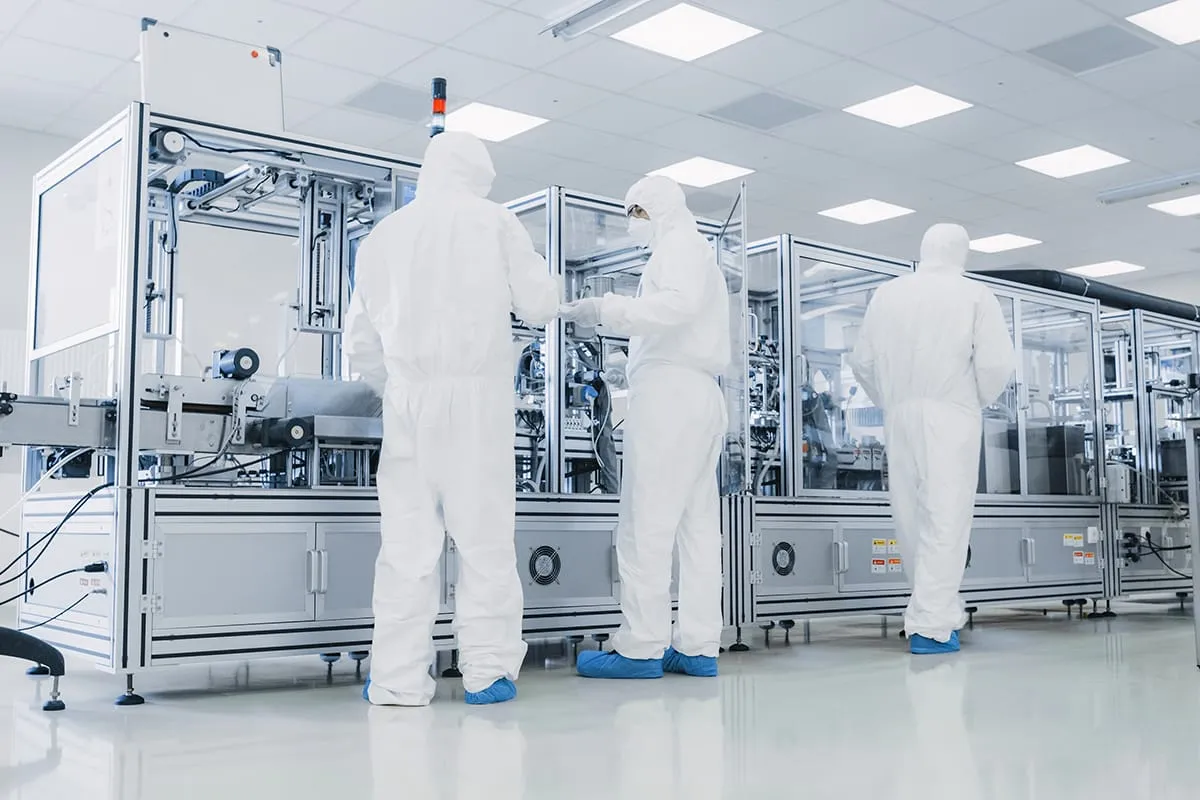
Custom automation plays a transformative role in medical device manufacturing, enabling precision, scalability, and compliance at every stage of production.
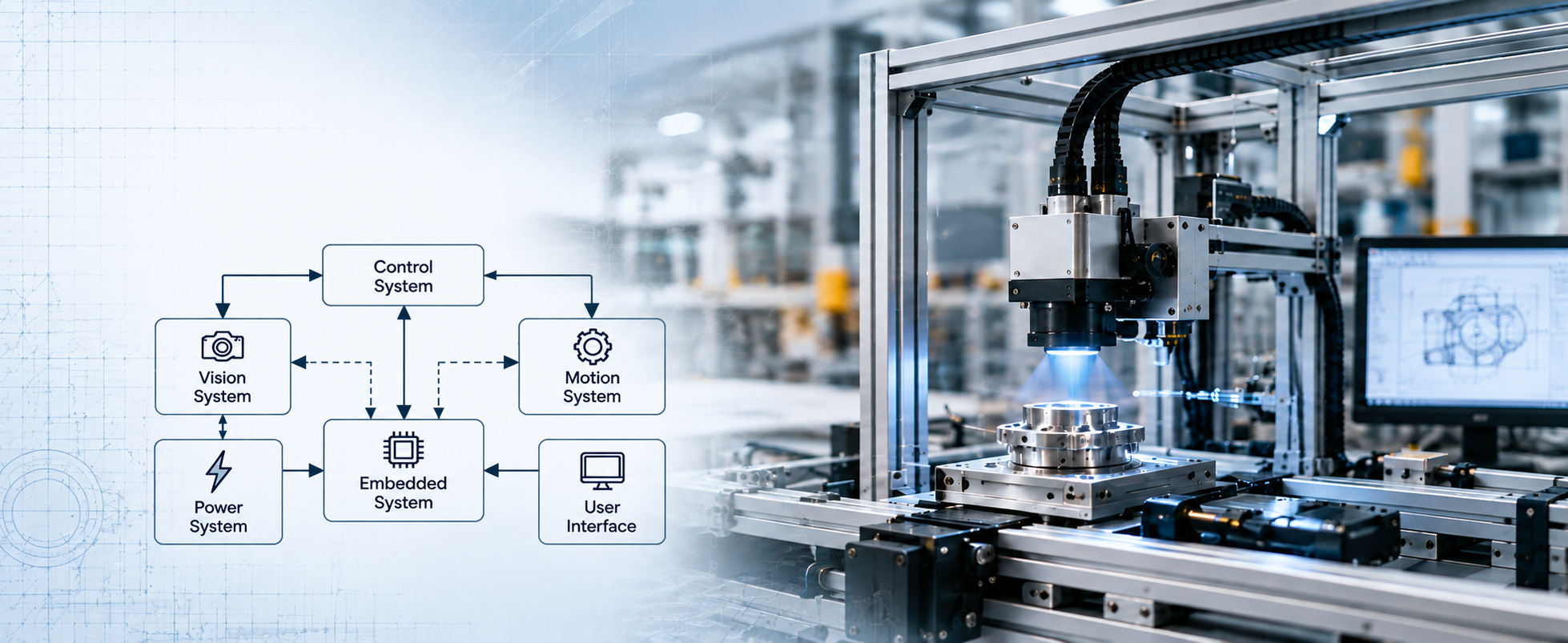
Advanced tools—such as vision-guided systems, modular workflows, and real-time monitoring technologies—streamline complex processes, reduce variability, and ensure consistent, high-quality outcomes. These systems are designed to meet the unique demands of MedTech devices, where intricate geometries, micro-scale components, and strict regulatory standards require exceptional control and accuracy.
However, developing a successful medical device manufacturing plan requires much more than advanced automation technologies. To bridge the gap between achieving an innovative device and full-scale compliant manufacturing, MedTech innovators must navigate a critical—and often underappreciated—phase of the product lifecycle: Design Transfer.
It requires a carefully orchestrated process of risk management, validation, and traceability to ensure that a product’s design intent is fully realized in manufacturing. Understanding why Design Transfer is so challenging is the first step toward addressing its hidden complexities and achieving a seamless transition to production.
At first glance, Design Transfer may seem deceptively simple. The FDA’s 21 CFR Part 820 dedicates just a single sentence to it:
“Each manufacturer shall establish and maintain procedures to ensure that the device design is correctly translated into production specifications.”
Yet this brief mandate belies the significant effort and complexity required to achieve a seamless and compliant transition, ensuring that a device’s design is successfully translated into scalable, compliant manufacturing.
Transferring a MedTech product design to production can be just as complex as bringing it market. The challenges of Design Transfer often stem from common oversights that introduce unnecessary risks, inefficiencies, and quality gaps:
Addressing these challenges requires an early and proactive approach where product design and production planning happen in tandem.
MedTech Developers must begin with the end in mind to plan for a seamless transition from product development to full-scale manufacturing. Automated assembly and manufacturing processes have regulatory requirements such as risk management, process validation, traceability and data integrity that need to be understood at the very start of the design transfer process. This understanding should be a gating milestone to any capital procurement efforts.
The design transfer process consists of several activities that require compliance with regulated standards, including process control, device master records, device history records, and the data integrity and retention therein. When set up correctly, automated manufacturing and assembly systems can streamline compliance by integrating systems that manage these areas into a unified workflow. This ensures regulatory requirements are met with precision, consistency, and audit-ready documentation.
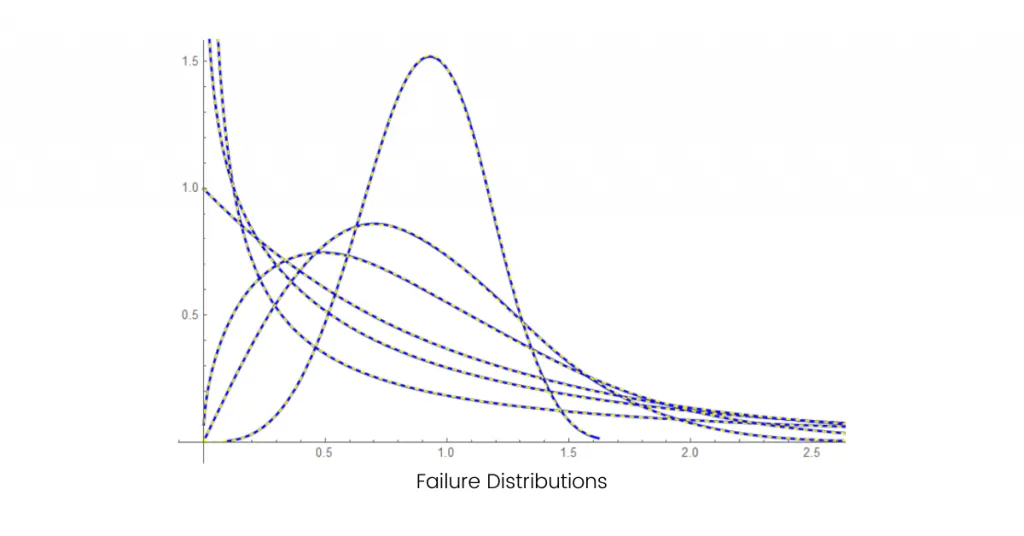
Design transfer begins with identifying potential risks during the process development phase. Process Failure Mode and Effects Analysis (PFMEA) is a structured approach for evaluating and mitigating failure modes before production starts.
This proactive methodology ensures that critical risks are addressed in the manufacturing process, reducing the likelihood of defects and improving overall reliability. This is a key driver for the design of automated equipment and software. A risk-based approach is also directly aligned with subsequent equipment and process qualification efforts.
Watch the full-presentation from Jack about de-risking through PFMEA in our MedTech Automation video.
Once risks have been identified and mitigated, validation ensures that systems and processes meet compliance requirements. Validation activities, such as IQ/OQ/PQ protocols, confirm reliability and readiness for production.
Proving the confidence and reliability levels of automated processes, including sampling strategy and acceptance criteria, is also a key part of process validation activities.

Watch Jack's full presentation about IQ/OQ/PQ, and how AC approaches MedTech process validation in our MedTech Automation video.
Automation simplifies compliance through robust traceability mechanisms. Systems designed with 21 CFR Part 11 compliance automatically capture and document key data, creating an unbroken audit trail for regulatory submissions and post-market surveillance.
Design Transfer is a pivotal milestone for MedTech innovators—and getting it right requires expertise, precision, and robust automation solutions. A structured, integrated approach ensures compliance, minimizes risks, and prepares manufacturing systems for scalable, high-quality production.
Let AC streamline Design Transfer for your medical device so you can proceed to product and market launch with confidence.