

Bringing a medical device from concept to market is a complex process. Beyond a great idea, it requires expert engineering, rigorous validation, regulatory compliance, and precision manufacturing—all while adapting to compressed timelines. For innovators, MedTech development hurdles can feel overwhelming without the right support. Adding multidisciplinary engineering expertise to your team is essential to eliminate roadblocks and accelerate your journey to market.

In this series, we address four critical questions for MedTech developers:
Whether you're navigating early-stage design, validation, or scaling to full production, this series provides valuable insights. Learn how Andrews Cooper (AC) delivers product development and automation expertise that can help you succeed in the competitive MedTech landscape.
MedTech developers often encounter expertise gaps across critical areas like electrical design, software integration, mechanical engineering, and regulatory compliance, which can lead to costly delays and operational setbacks.
Early engagement with specialized engineering teams bridges these gaps, applying multidisciplinary expertise to optimize each facet of device development—from functional design and risk management to compliance testing.
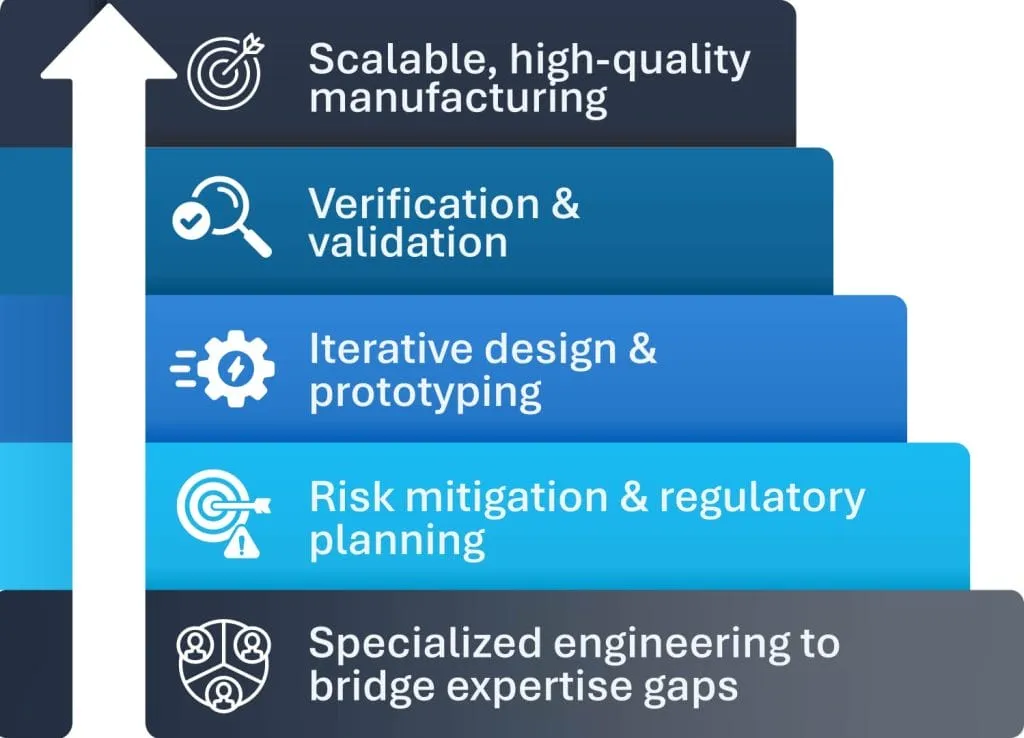
This integrated approach allows innovators to address complex technical challenges, ensuring manufacturability, regulatory alignment, and long-term reliability. By leveraging expert engineering, MedTech developers can optimize resources, accelerate time to market, and achieve scalable product success in a competitive landscape.


Working with specialized engineering teams opens doors to a broader network of strategic partners. These partners provide expertise in material science, manufacturing, and regulatory strategy, accelerating collaboration and execution.
By tapping into AC’s network, developers benefit from smoother integration of various specialties and speedier project execution, without the time-consuming task of building these relationships independently. Trusted partners like OnTap Consulting, guide supply chain planning and selection of contract manufacturers (CMs) by aligning with budget, quality, and timeline goals.
Early engagement with strategic partners enables teams to achieve development milestones working in parallel and avoid costly delays, ensuring smooth project execution.
Working with specialized engineering teams opens doors to a broader network of strategic partners.
In MedTech, developing high-performance, reliable devices requires integrating complex, cross-disciplinary engineering approaches. Each phase—from initial concept to final production—demands specific technical solutions that span multiple engineering domains. AC’s multidisciplinary teams combine expertise in electrical, mechanical, and software engineering to address the intricate needs of medical devices, optimizing for both functionality and regulatory compliance from the outset.

Cross-functional collaboration is key to solving core challenges in device functionality and ensuring design robustness. For example, in developing a wearable ECG device, our electrical engineers fine-tuned circuit designs for ultra-low power consumption—a critical factor for wearables where extended battery life is required. Concurrently, mechanical engineers refined the form factor for ergonomic wearability, ensuring the design met both performance and usability standards.
This coordinated approach not only enhanced battery life but also improved device comfort and reliability, two essential requirements for user-dependent medical devices. By drawing on deep expertise across disciplines, we accelerate development timelines while ensuring each device is built for manufacturability, compliance, and durability.
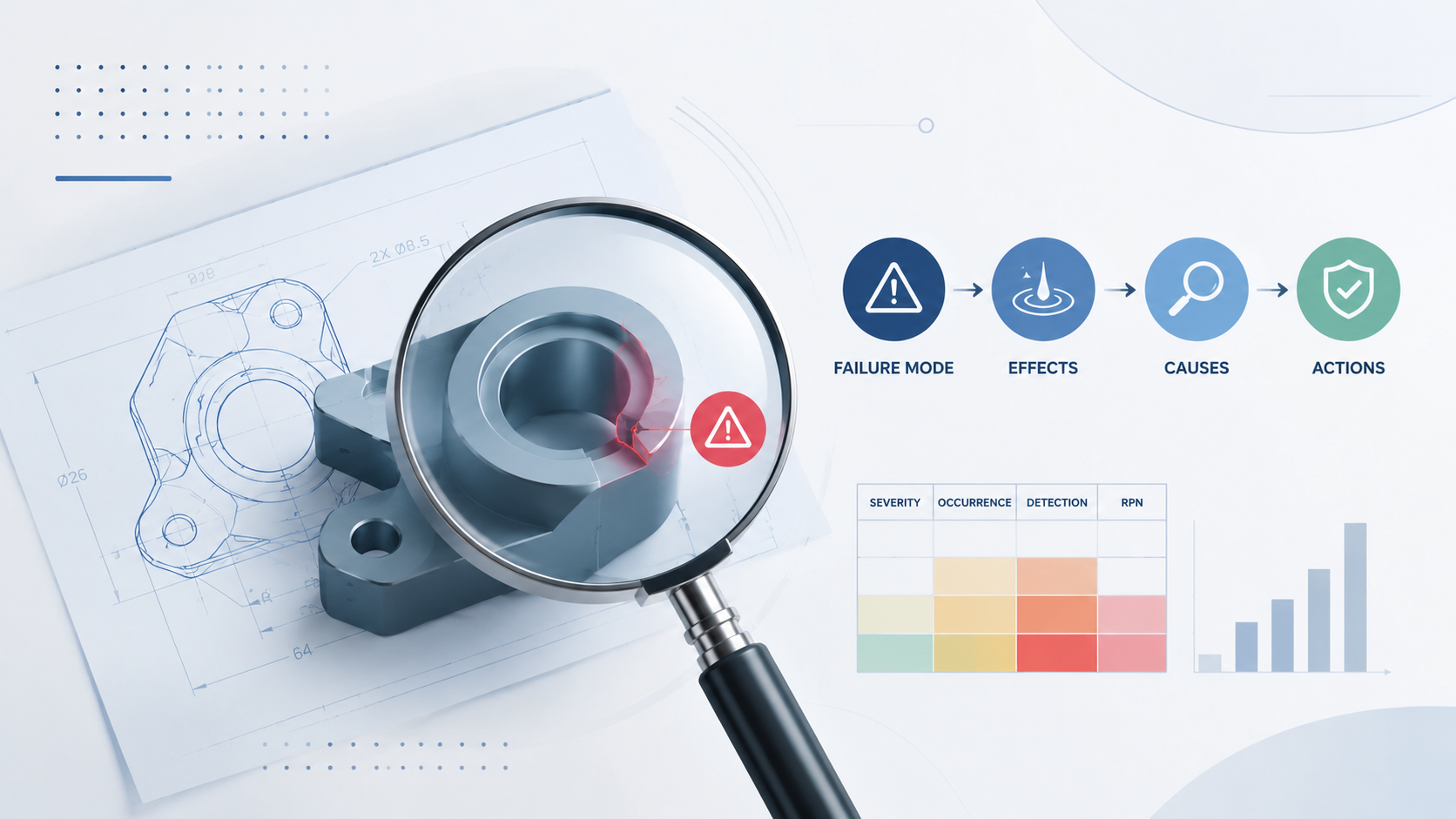
Proactively addressing high-risk components early in the design process reduces device failure rates and ensures long-term durability. Through Failure Mode and Effects Analysis (FMEA), reliability engineers identify and resolve design challenges and potential failure modes. By analyzing expected service life, wear patterns, and environmental stresses, they can anticipate and mitigate risks that might compromise durability over time.
This de-risking process ensures that devices meet stringent regulatory standards, remain reliable throughout their lifecycle, and perform effectively in real-world conditions. Proactive engineering helps prevent costly recalls, malfunctions, and service disruptions, securing long-term product reliability and success.
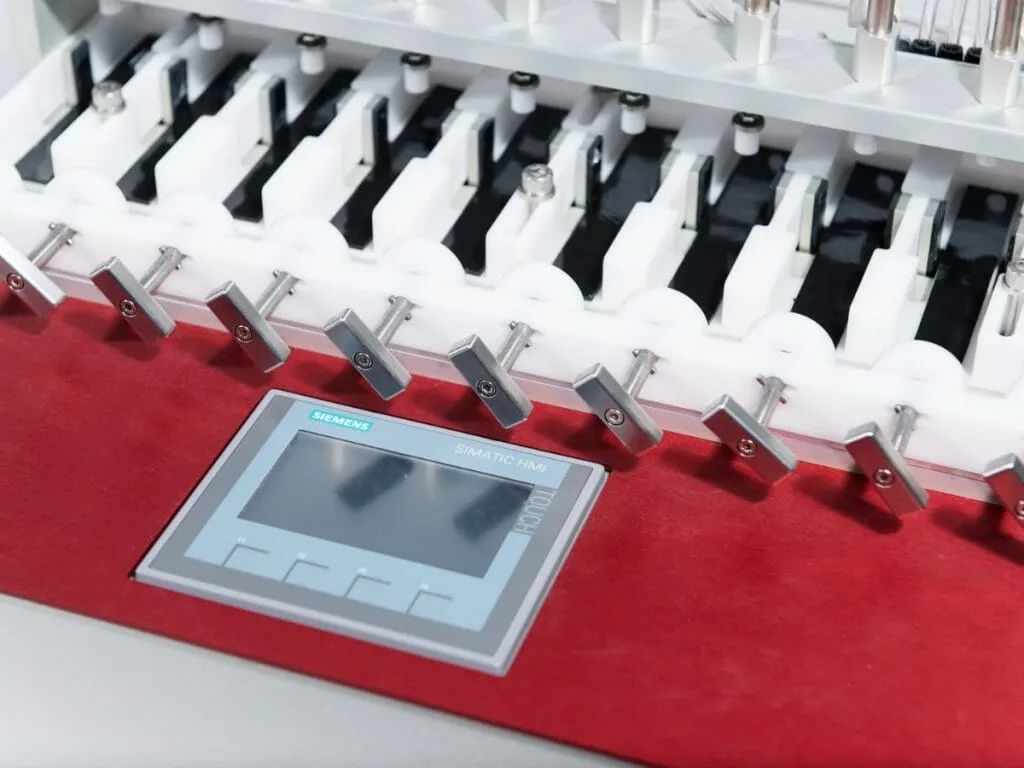
DFM emphasizes factors such as part simplification, material selection, and assembly ease, which collectively reduce production costs and improve yield. Design engineers apply DFM early to ensure designs are optimized for manufacturability, minimize production issues, and avoid costly redesigns.
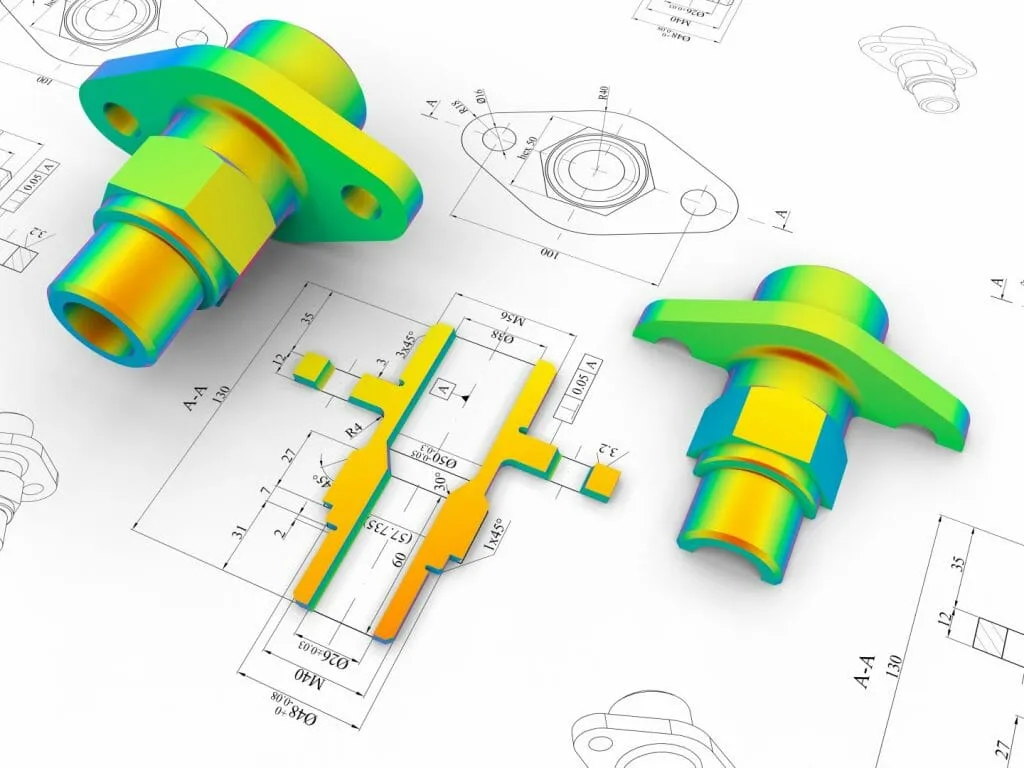
GD&T complements DFM by defining allowable tolerances for features, ensuring that parts fit and function precisely as intended, critical for high-precision medical devices. Obsessing over the smallest details, design engineers convey part design clearly and accurately, reducing variances and enabling parts to be produced consistently across production cycles.
Through expertly executed DFM and GD&T, engineers create production-ready, scalable designs that maintain precision, reduce costs, and ensure consistency from prototype through full-scale manufacturing. This structured approach is essential for developing high-quality, reliable medical devices ready for market.
Navigating medical device development requires expert support at every stage to drive innovation from concept to production. Whether refining a prototype or scaling for manufacturing, our expertise in design, risk mitigation, and optimization accelerates your path to market with confidence and precision. Contact us today to bring your MedTech vision to life.




.png)
.png)