

Bringing a medical device from concept to market is a complex process. Beyond a great idea, it requires expert engineering, rigorous validation, regulatory compliance, and precision manufacturing—all while adapting to compressed timelines. For innovators, MedTech development hurdles can feel overwhelming without the right support. Adding multidisciplinary engineering expertise to your team is essential to eliminate roadblocks and accelerate your journey to market.
In this series, we address four critical questions for MedTech developers:
This third blog in our series on Accelerating MedTech Development explores how key areas of engineering expertise ensure compliance by establishing an early regulatory framework, integrating design controls with the QMS, and de-risking with thorough risk assessments.
Balancing rapid innovation with strict regulatory requirements is a defining challenge for MedTech developers. The pressure to deliver groundbreaking devices quickly often conflicts with the need for thorough, methodical processes to ensure compliance and patient safety.
This dual pathway requires engineering expertise that bridges product development and regulatory alignment. With decades of experience in regulated medical device development, AC integrates seamlessly with client teams to align innovation with compliance at every stage of development—from concept to manufacturing and beyond.
Regulatory compliance begins in the concept phase, where engineering teams lay the groundwork for success by integrating global standards and regulatory requirements into the development process. Establishing a regulatory framework early ensures that all design decisions align with expectations, avoiding costly rework or delays later.
Design engineering expertise with medical devices enables teams to quickly apply standards such as ISO 13485 for quality management and ISO 14971 for risk management. By tailoring processes to meet these requirements from the outset, the regulatory framework can support both innovation and compliance. This approach accelerates global market readiness, providing a strategic advantage in the competitive MedTech industry.
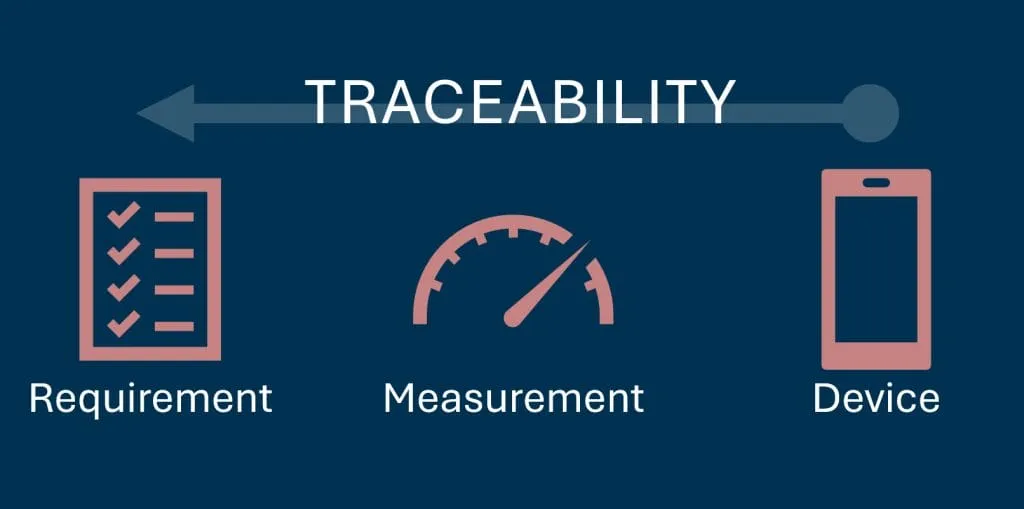
Design controls form the backbone of regulatory compliance for medical devices. They ensure that every aspect of development—from design inputs to final validation—is traceable and aligned with quality management requirements.
Traceability matrices play a vital role in this process, linking user needs to design specifications, testing protocols, and validation activities. These tools provide clear documentation of how each requirement is met, ensuring compliance with standards such as ISO 13485 and IEC 60601. Strong design controls not only safeguard compliance but also create a robust Quality Management System (QMS) capable of withstanding regulatory scrutiny.
Read more about traceability for medical devices.
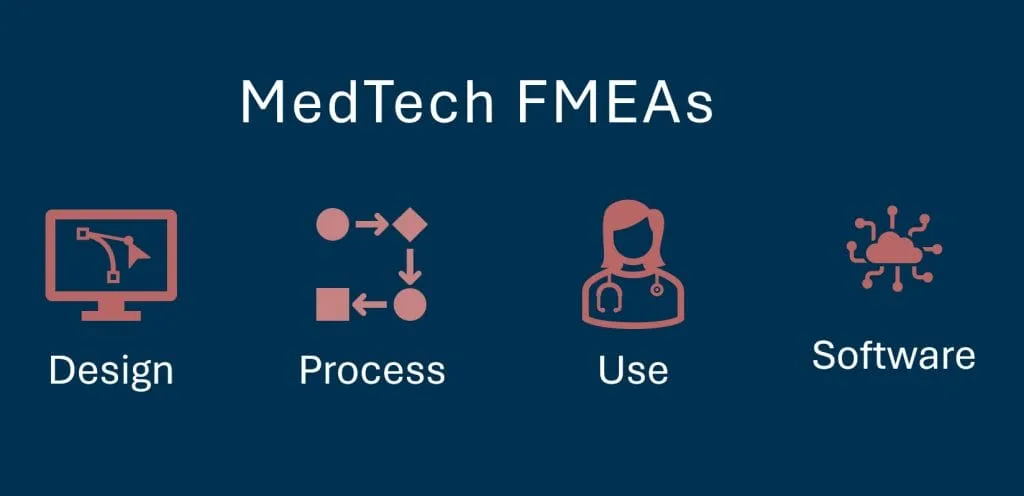
Effective risk management is critical to regulatory compliance and safe product development. Engineers begin by conducting risk assessments, such as design Failure Modes and Effects Analysis (dFMEA) and process Failure Modes and Effects Analysis (pFMEA), to identify and mitigate potential hazards.
By addressing risks early, these assessments ensure that both product designs and manufacturing processes align with regulatory requirements like FDA and EU MDR. This proactive approach not only enhances patient safety but also minimizes delays, allowing developers to move forward with confidence.
Read more about types of FMEA de-risking.
Navigating medical device development requires expert support at every stage to drive innovation from concept to production. By integrating compliance into every phase of development and manufacturing, AC engineers streamline development while tackling regulatory processes in parallel. Through decades of expertise in design, risk mitigation, and regulatory compliance, AC accelerates your path to market with confidence and precision. Contact us today to bring your MedTech vision to life.