This year’s MedTech Conference in San Diego made one thing unmistakably clear: innovation is moving faster than ever. From the moment the sessions opened, the energy in the room reflected a field in transition: AI is driving discovery, startups are redefining access, and global shifts are challenging how we plan, build, regulate, and scale medical technology.
Jump to section:
Innovation is accelerating—but discipline still defines success
AI and automation are transforming how devices are designed, tested, and integrated into care. Nearly every panel at MTC touched on this, from predictive modeling to AI-enabled manufacturing. Yet the underlying question remained: how do we sustain trust as technology outpaces regulation?
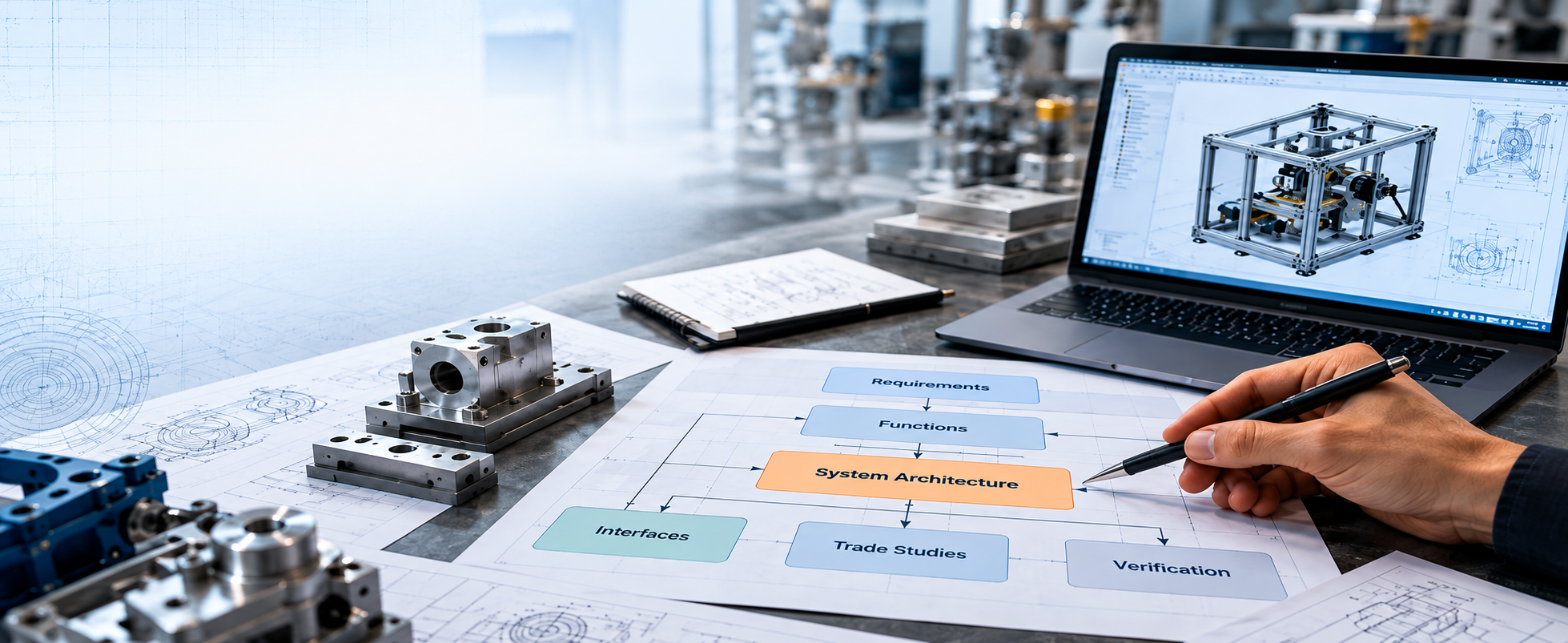
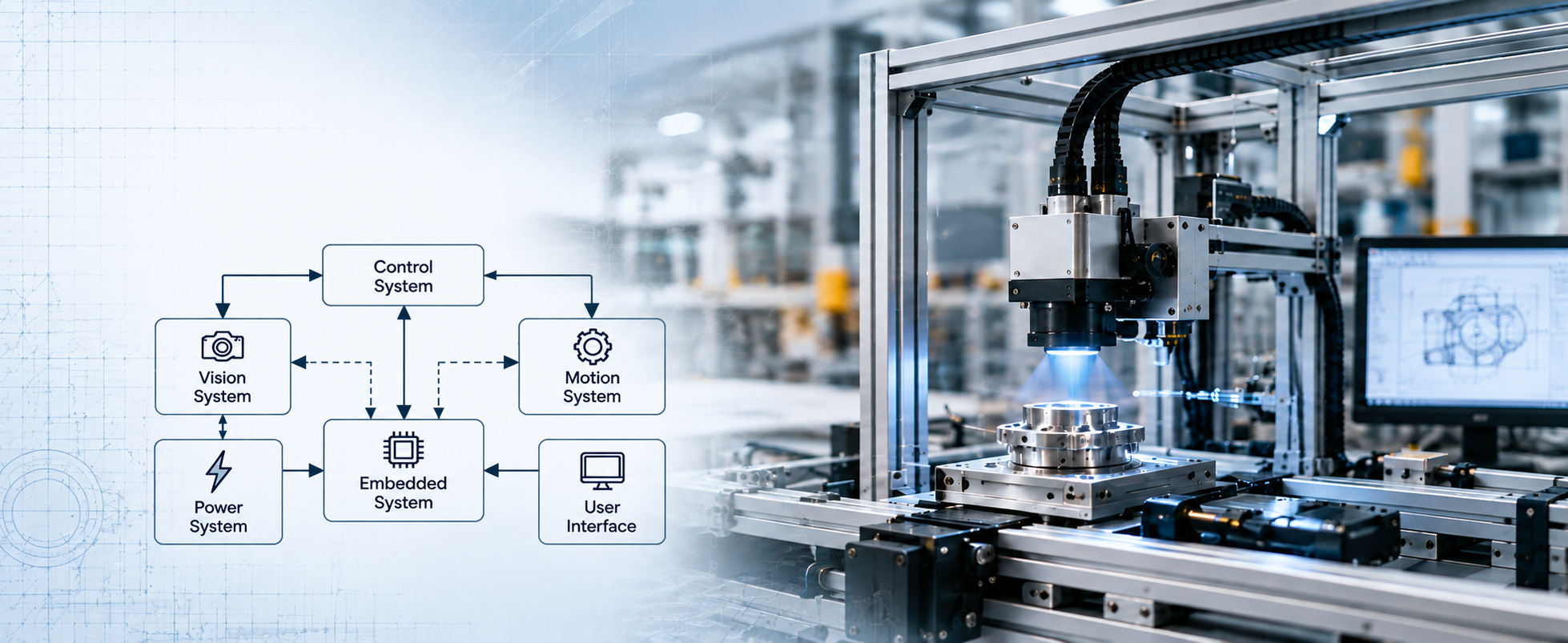
That’s where HardTech engineering shows its value. Real progress depends on rigorous systems thinking, which requires the integration of electrical, firmware, mechanical, and software design with continuous verification. Innovation thrives not on speed alone, but on the discipline that keeps safety, reliability, and manufacturability at the core.
Adapting to uncertainty in regulation, tariffs, and manufacturing
Across the conference, conversations pointed to a shared challenge: global policy and supply chains are shifting faster than development timelines. It’s no longer enough to design for performance; we must design for resilience.
As outlined in our De-Risking MedTech Development white paper, early risk management is built into design, testing, and manufacturing and prepares teams to adjust when markets, materials, or compliance landscapes change. The companies that thrive are those whose engineering and operations teams already work as one.
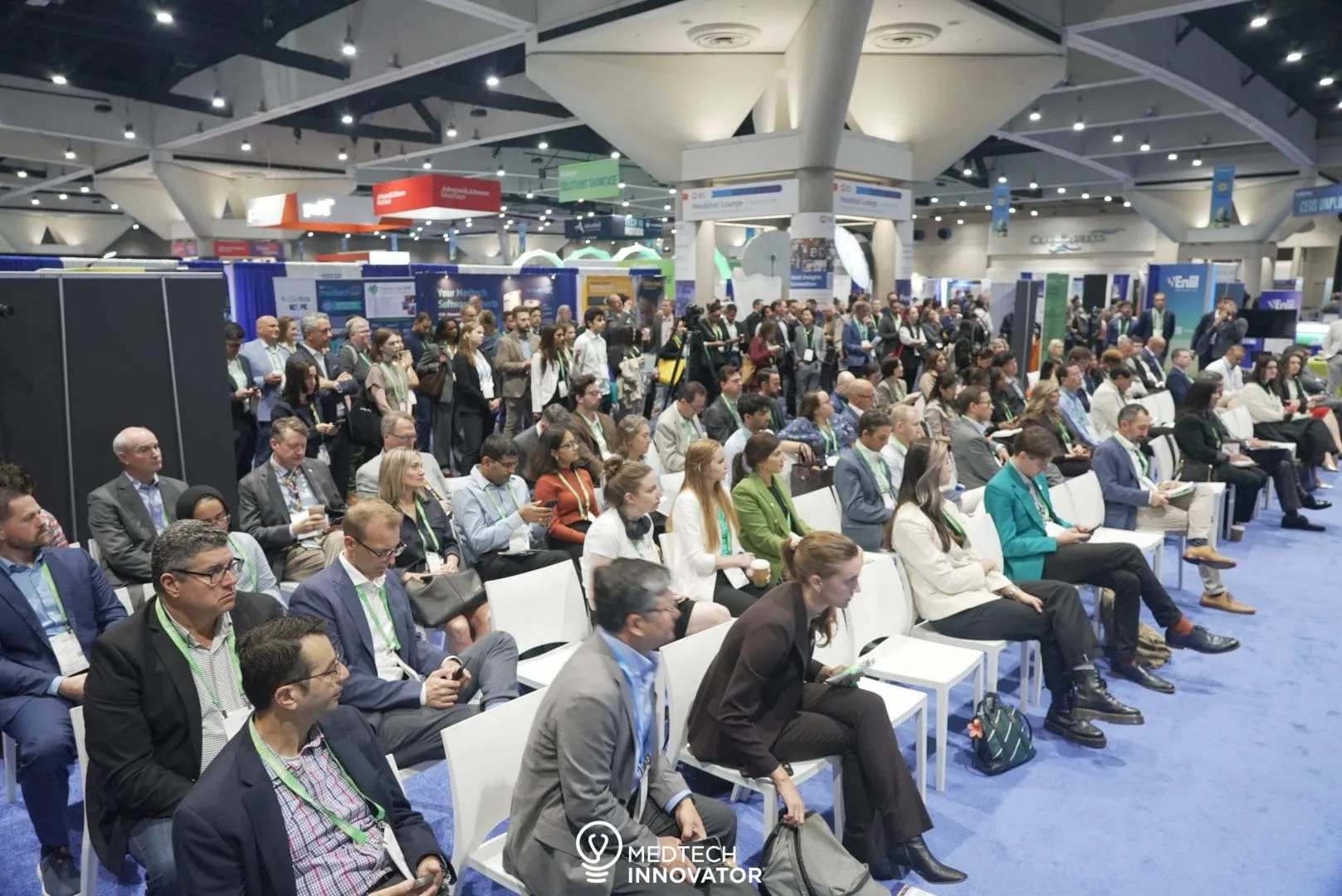
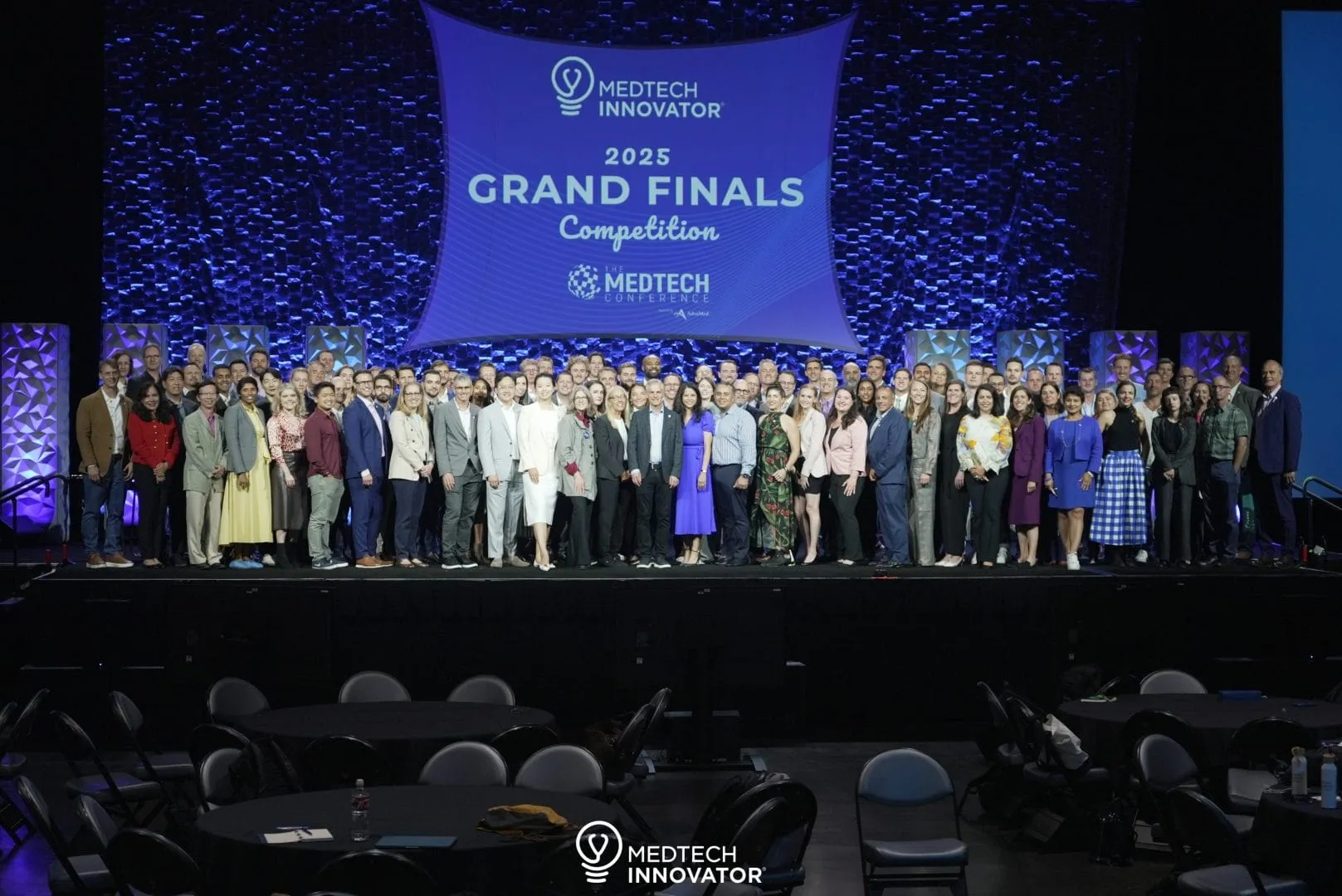
MTC 2025 MedTech Innovator Attendees
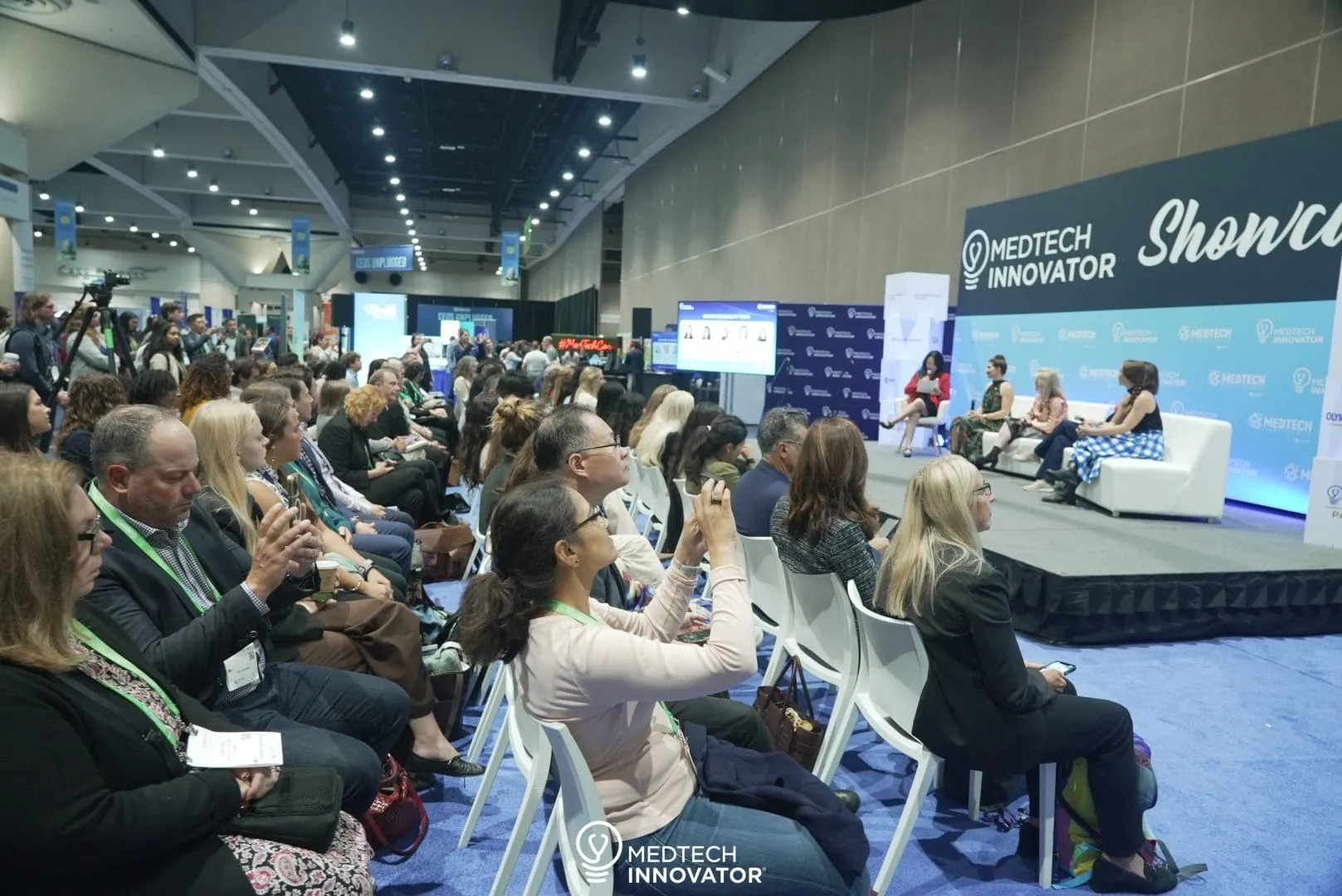
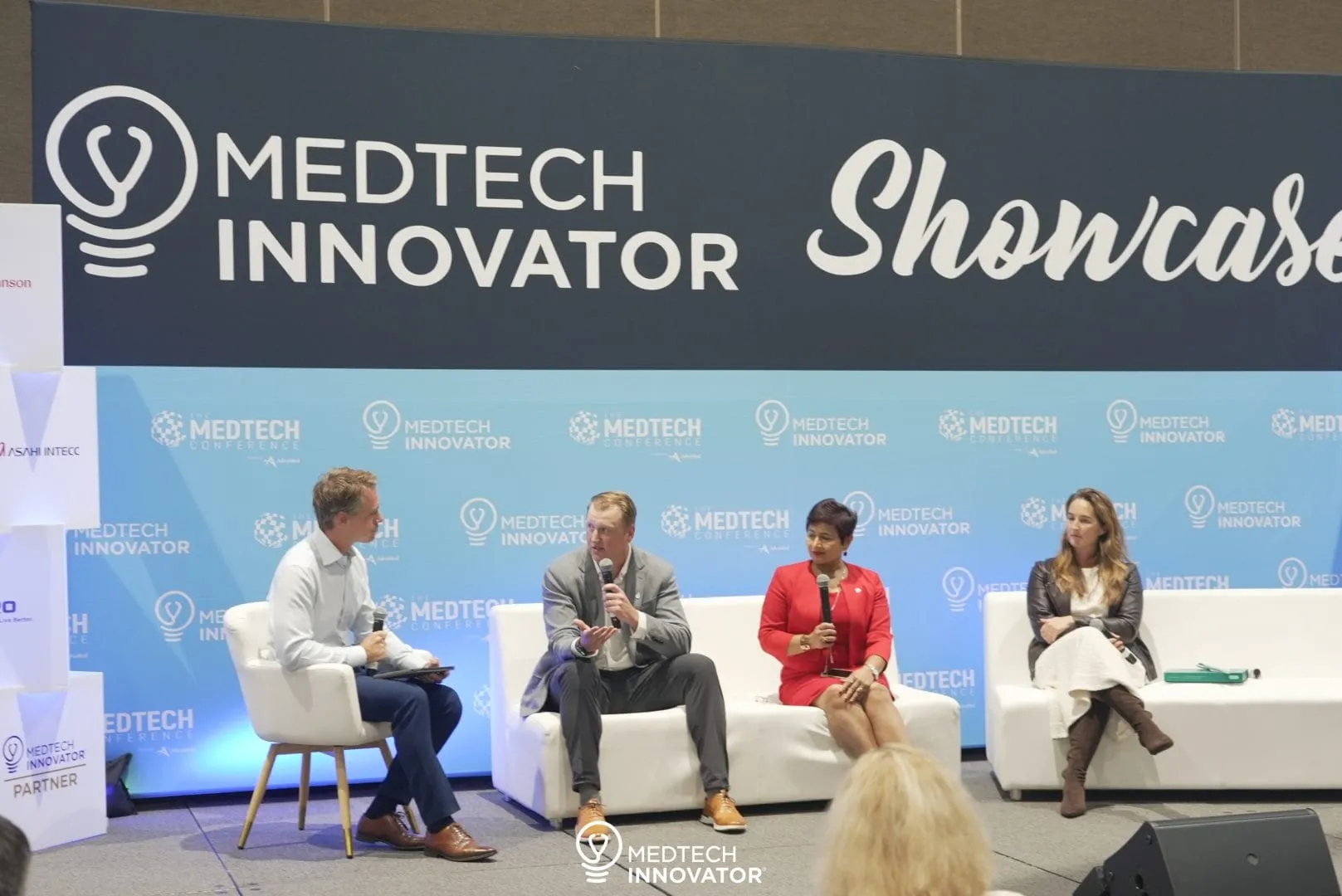
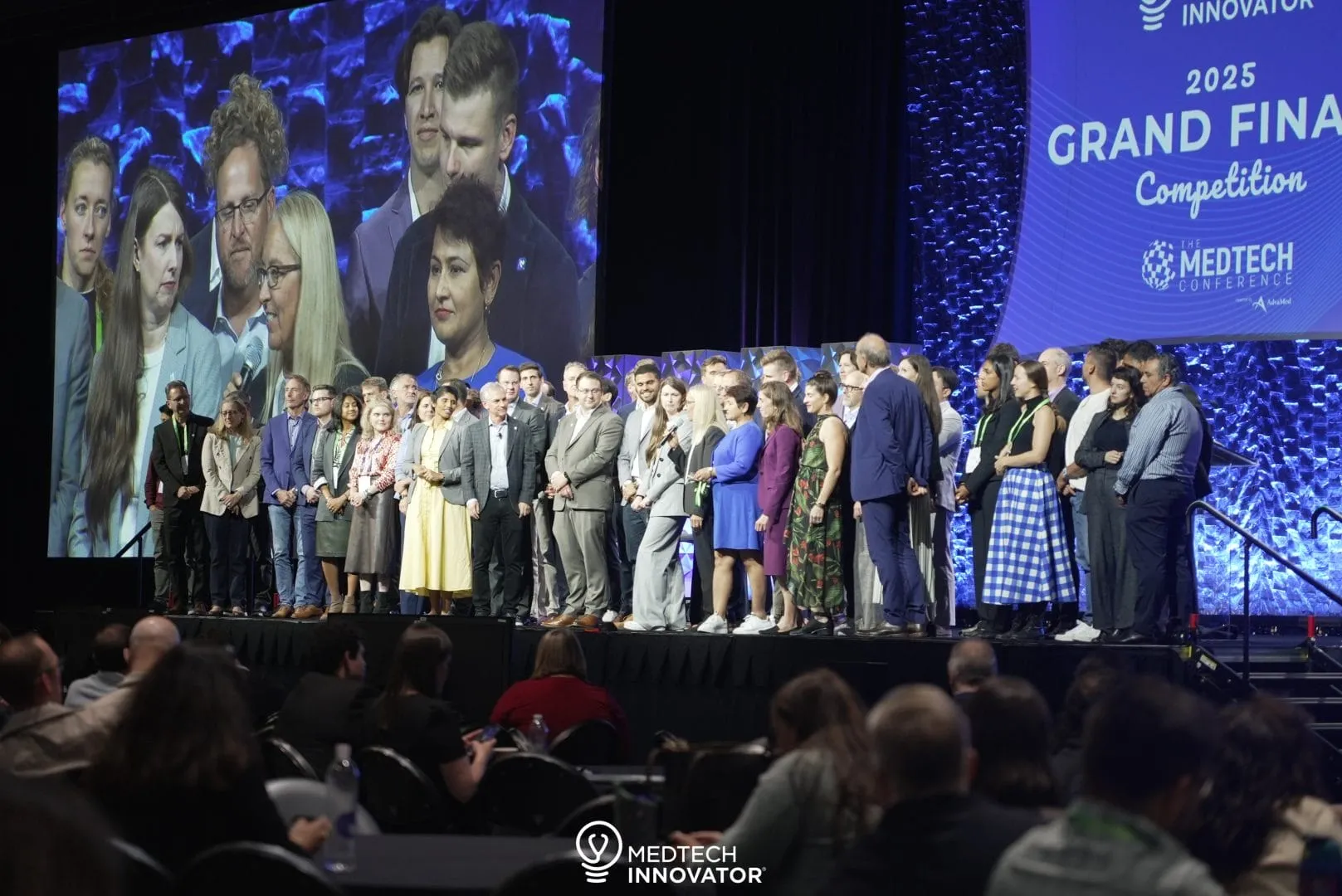
MTC 2025 MedTech Innovator Showcase Stage
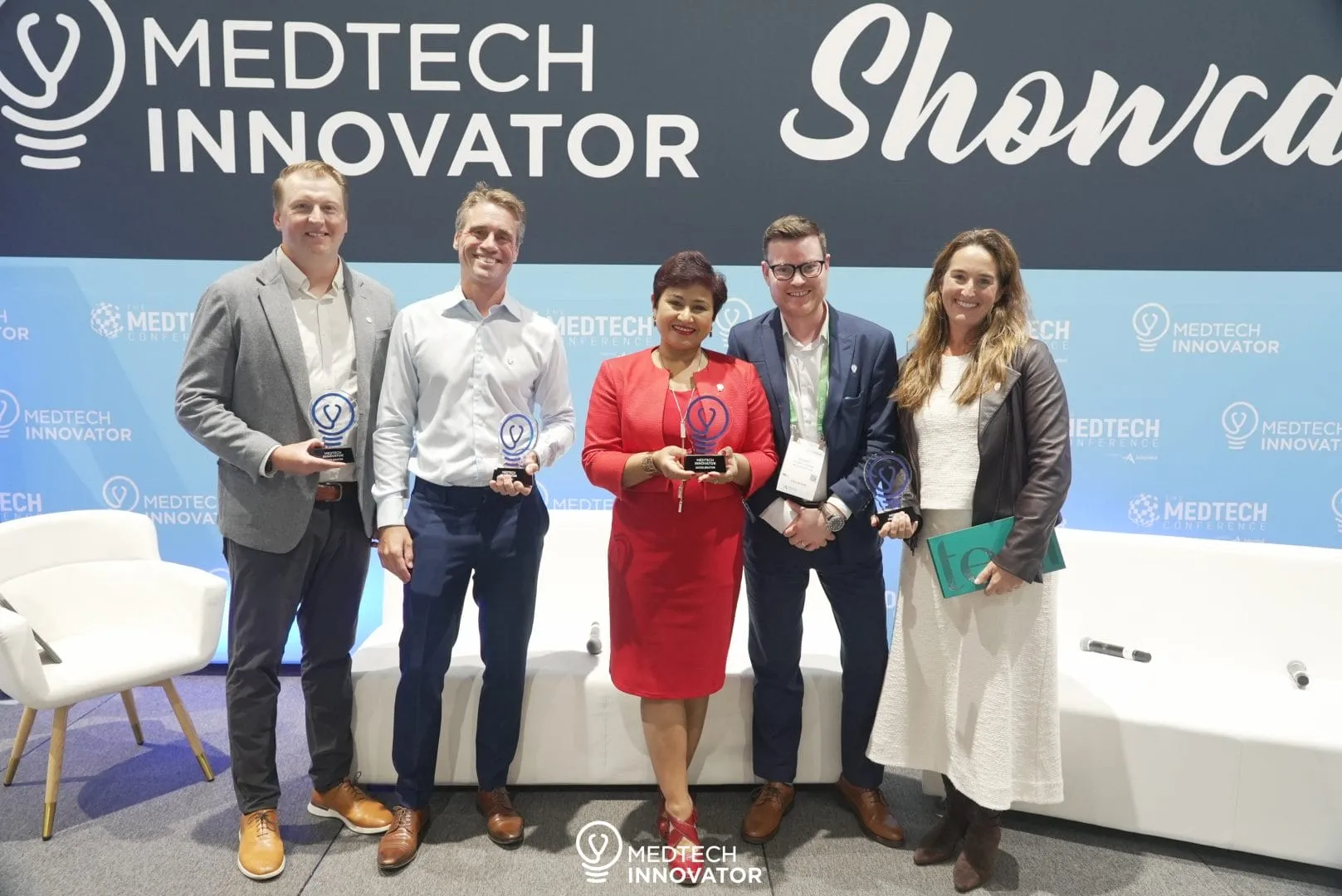
MTI Moderators 2025 (AC's Ben Luts: second from left)
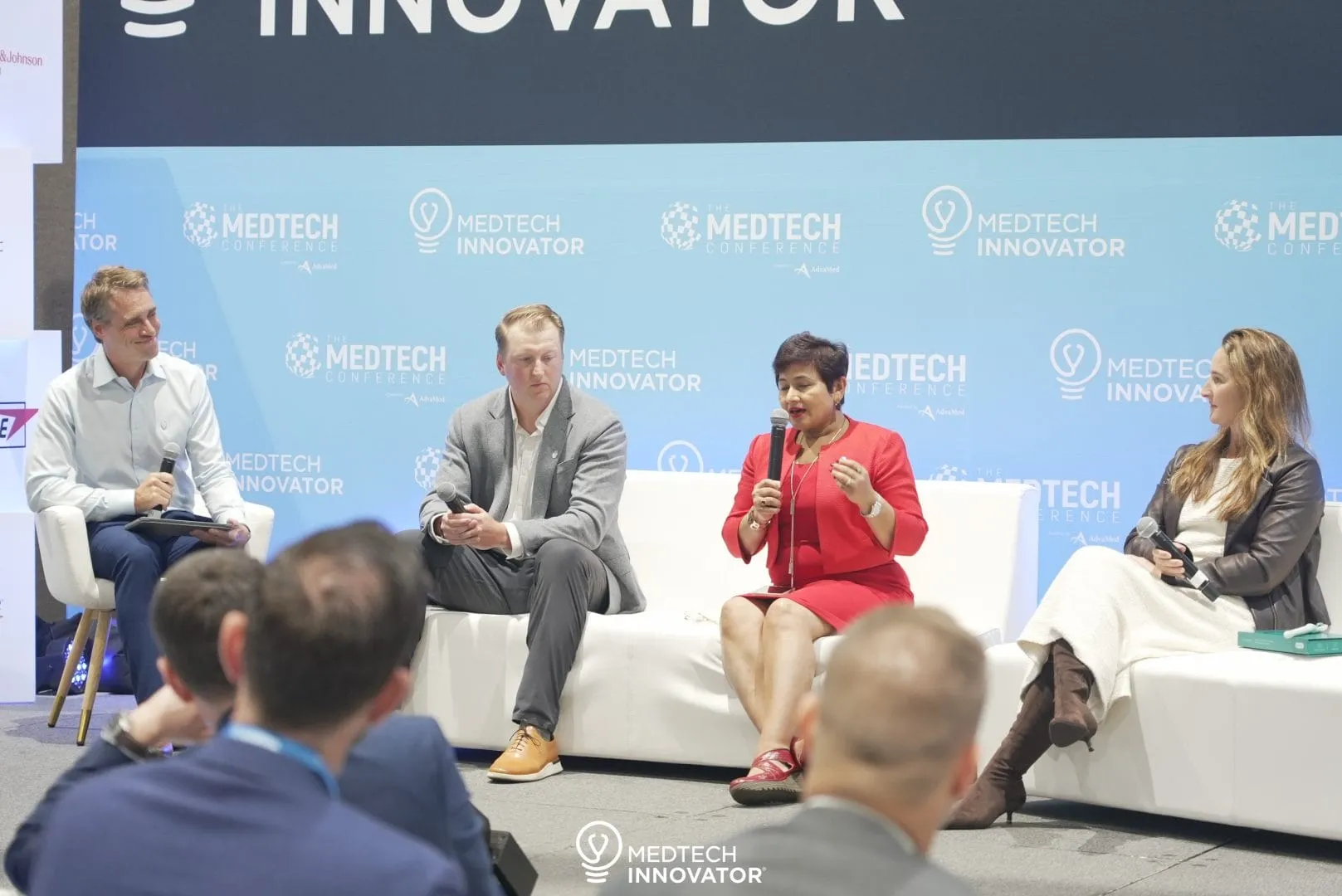
Ben Luts moderates the MedTech Innovator panel for Lab Diagnostics
Ben Luts moderates the MedTech Innovator panel for Lab Diagnostics
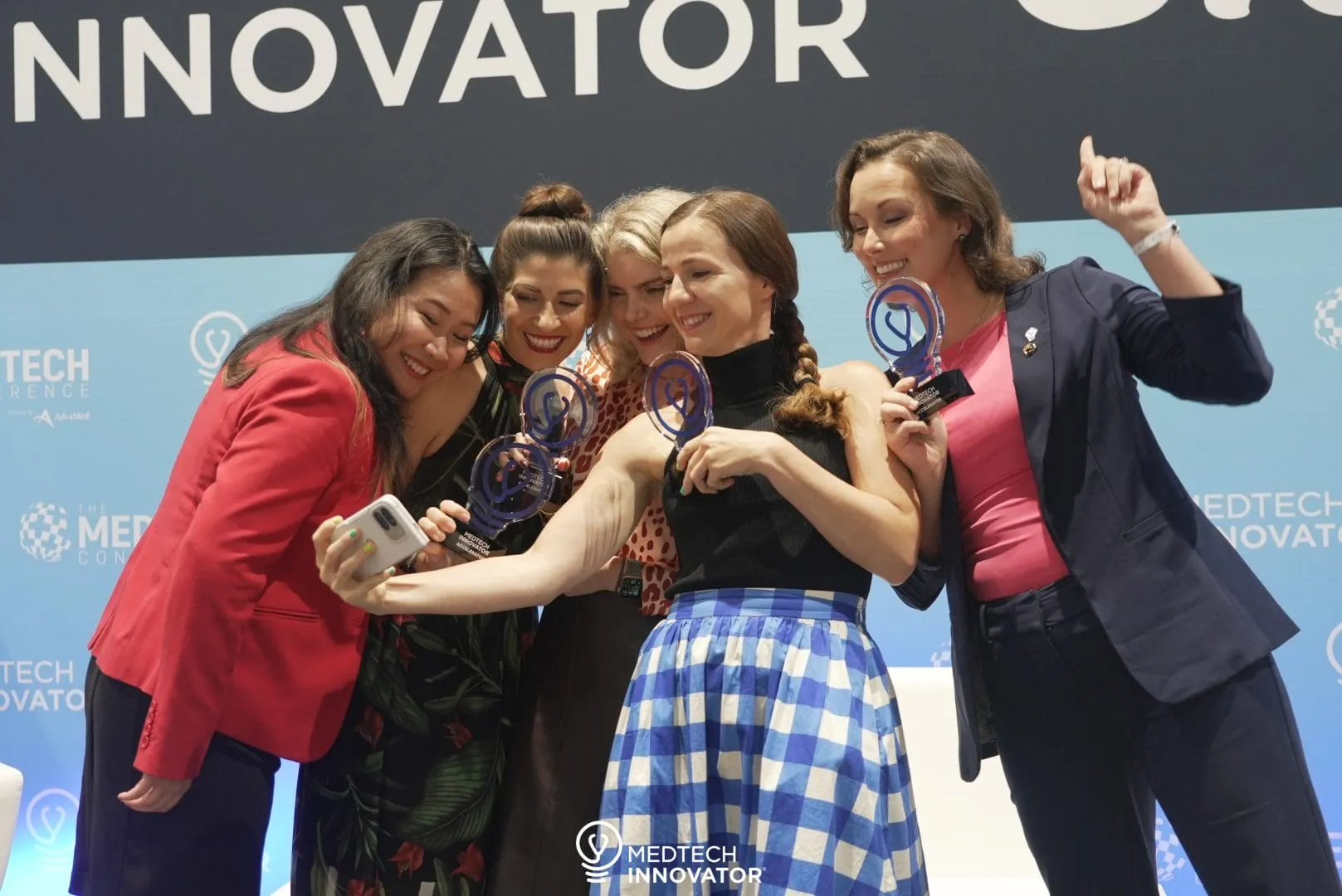
MedTech Innovator 2025 Cohorts Pause for Selfie
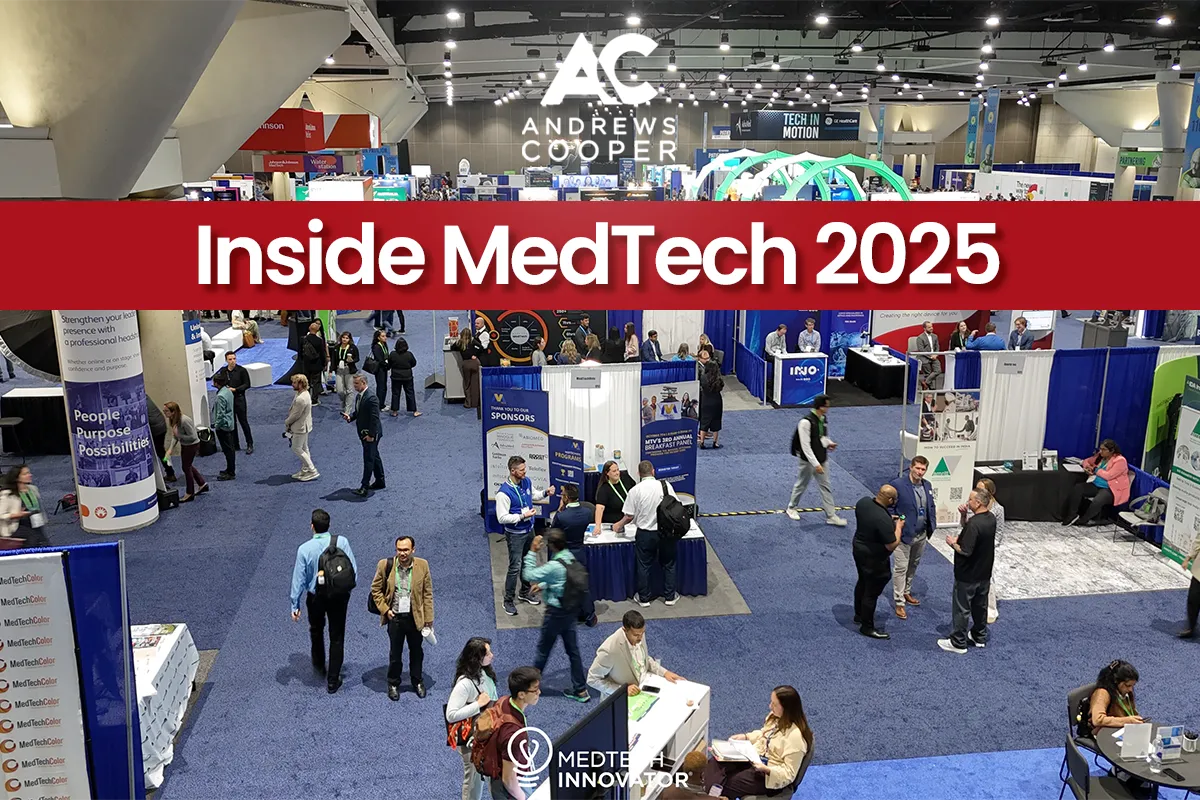
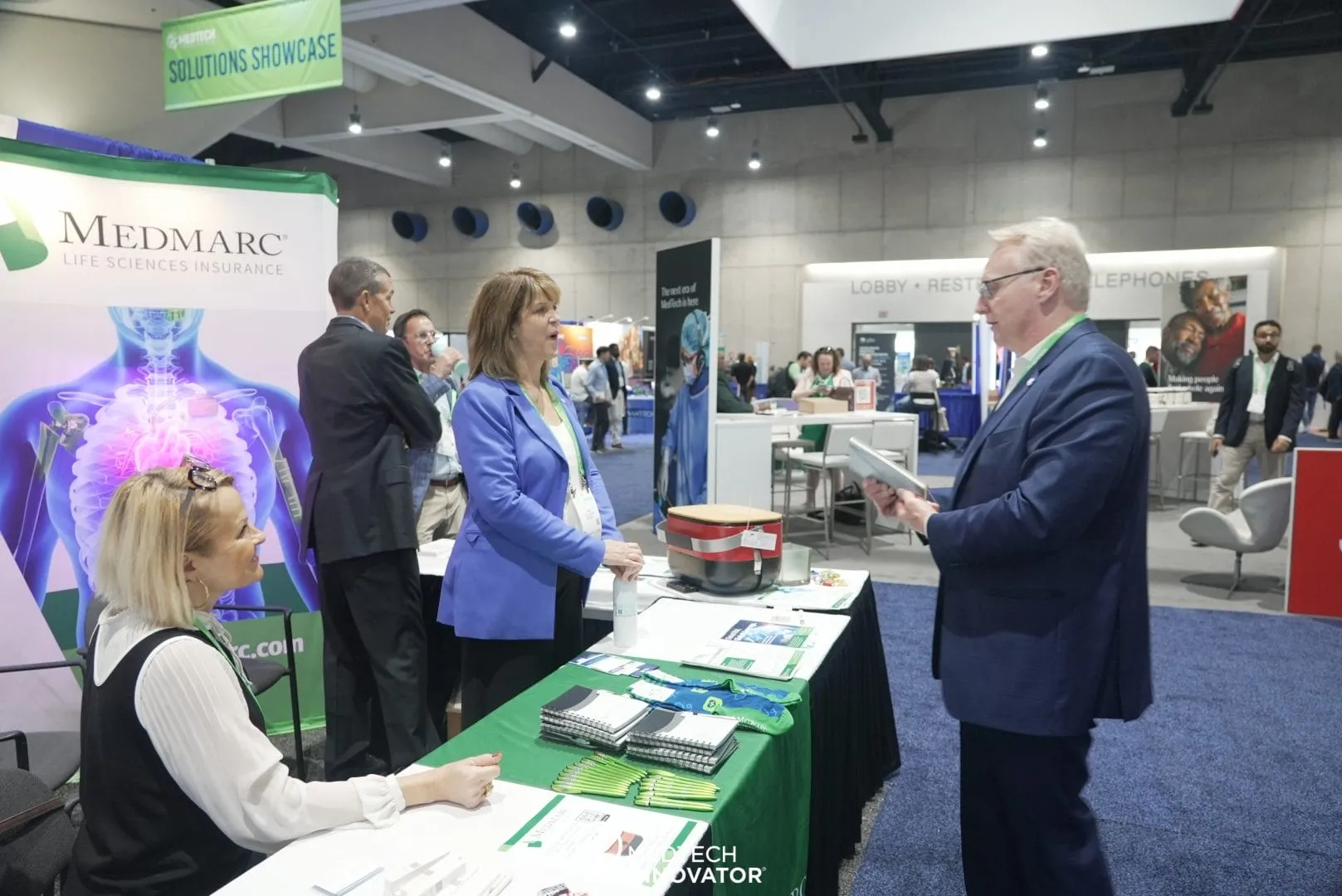
MTC 2025 Exhibition
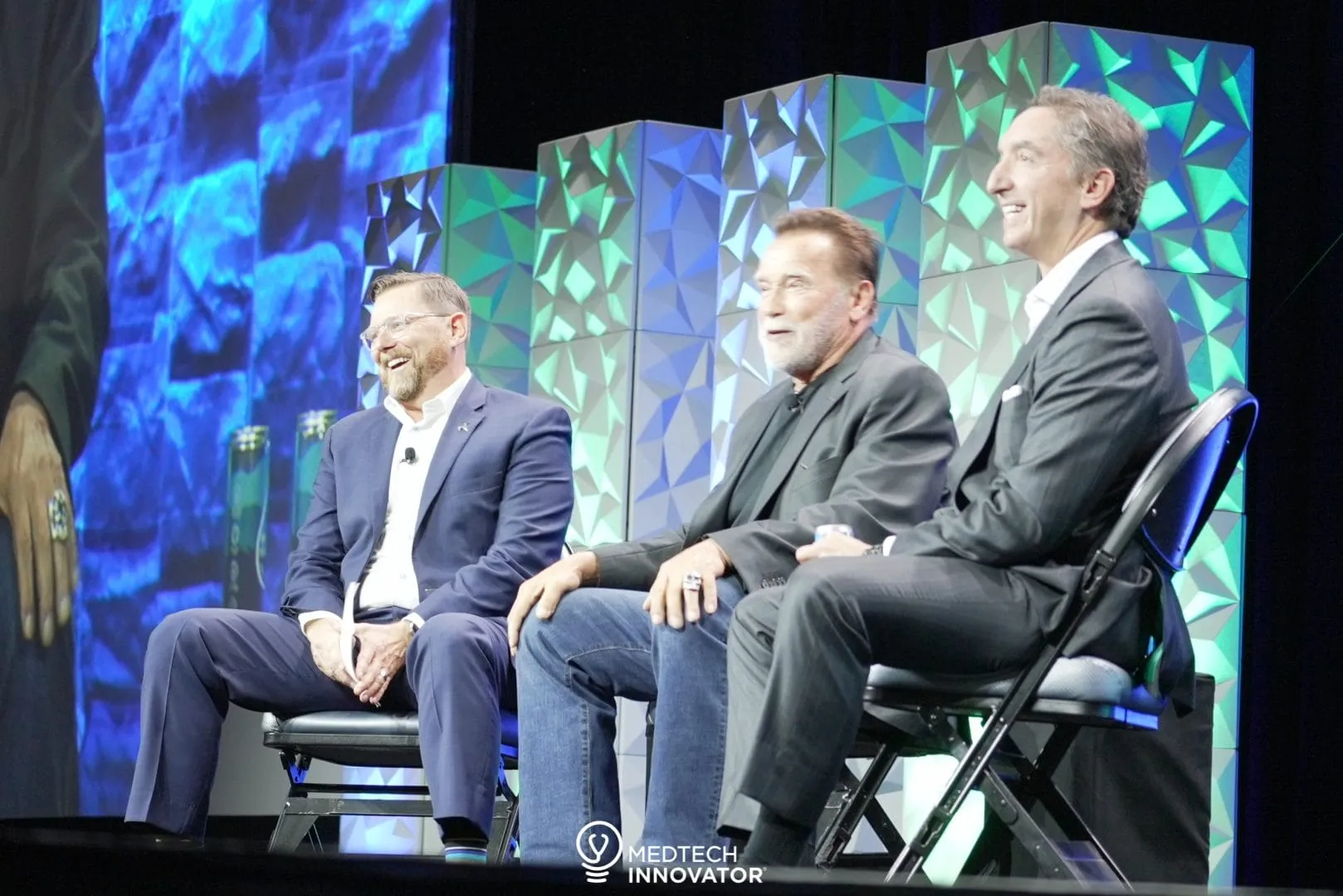
Keynote Speaker Arnold Schwarzenegger at MTC 2025
The next wave of MedTech innovation
One of the standouts at this year’s conference was the MedTech Innovator (MTI) showcase, where our own Ben Luts moderated a panel of founders advancing breakthrough ideas in diagnostic and therapeutic technology. These startups are pushing the boundaries of what’s possible in sensing, imaging, and human–machine integration in areas where engineering precision defines clinical value.
There was an incredible diversity of innovators on display—too many to count—but here’s a snapshot of our Top 10 that stood out for their ingenuity, technical rigor, and impact potential:
Advancing a rapid antibiotic susceptibility testing platform that enables clinicians to
identify effective antibiotics in under an hour, supporting faster, targeted treatment.
Pioneering a neuromodulation platform that uses precision electrical stimulation to restore
nerve function and improve outcomes in neurological disorders.
Developed real-time blood diagnostics at the point of care: Merlin™ a self-running device that
consolidates multiple lab functions into one system and provides chemistry, hematology, and immunoassay results
in under 30 minutes.
Developing SmartAyrpatch, a wearable ultrasound-based breathing monitor that detects early
respiratory deterioration in real time.
Collectively, these companies embody the kind of fast-moving innovation the MedTech ecosystem thrives on: technologies that merge digital intelligence with rigorous physical design.
MedTech Innovator Cohorts at MTC 2025
MedTech Innovator Cohorts at MTC 2025
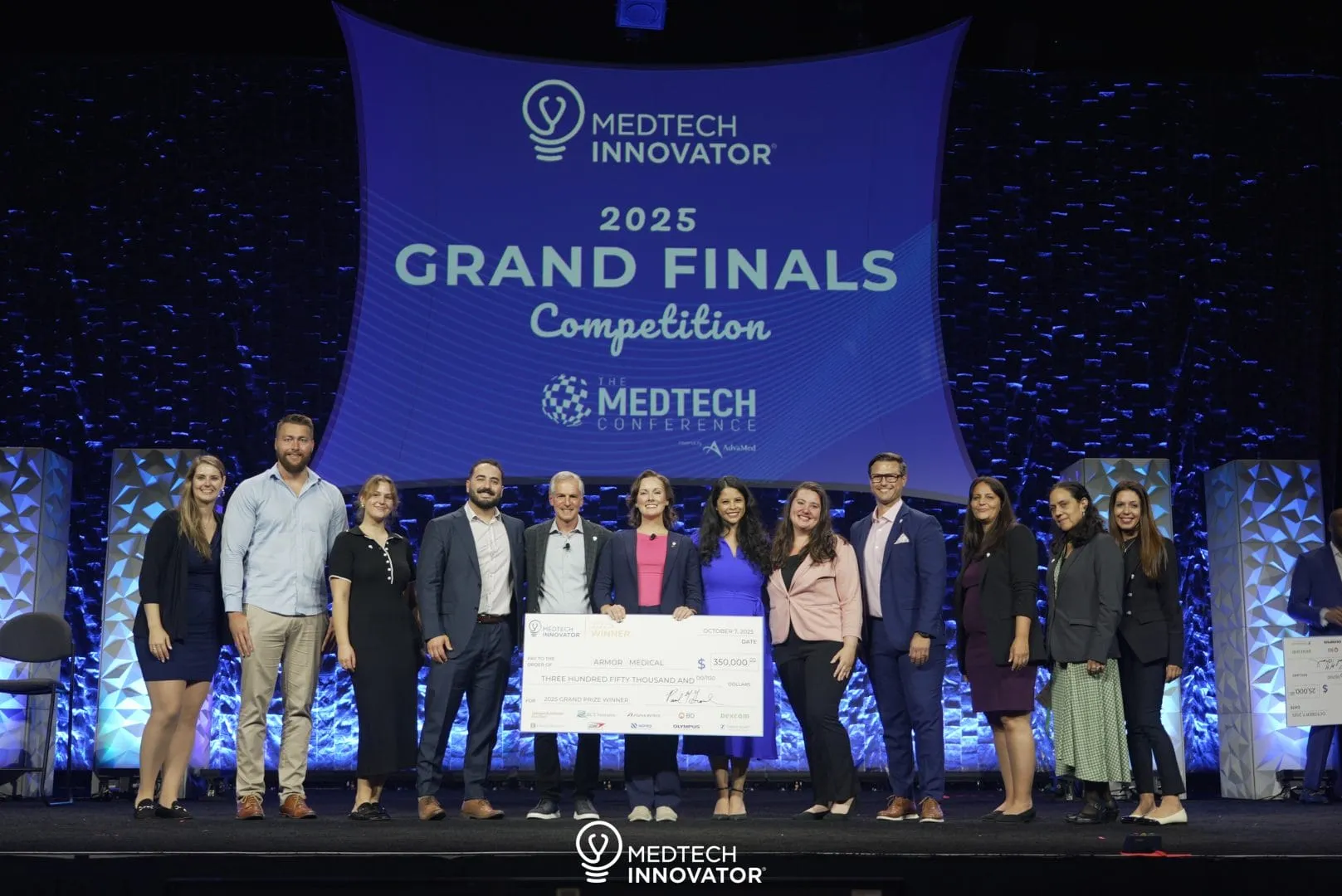
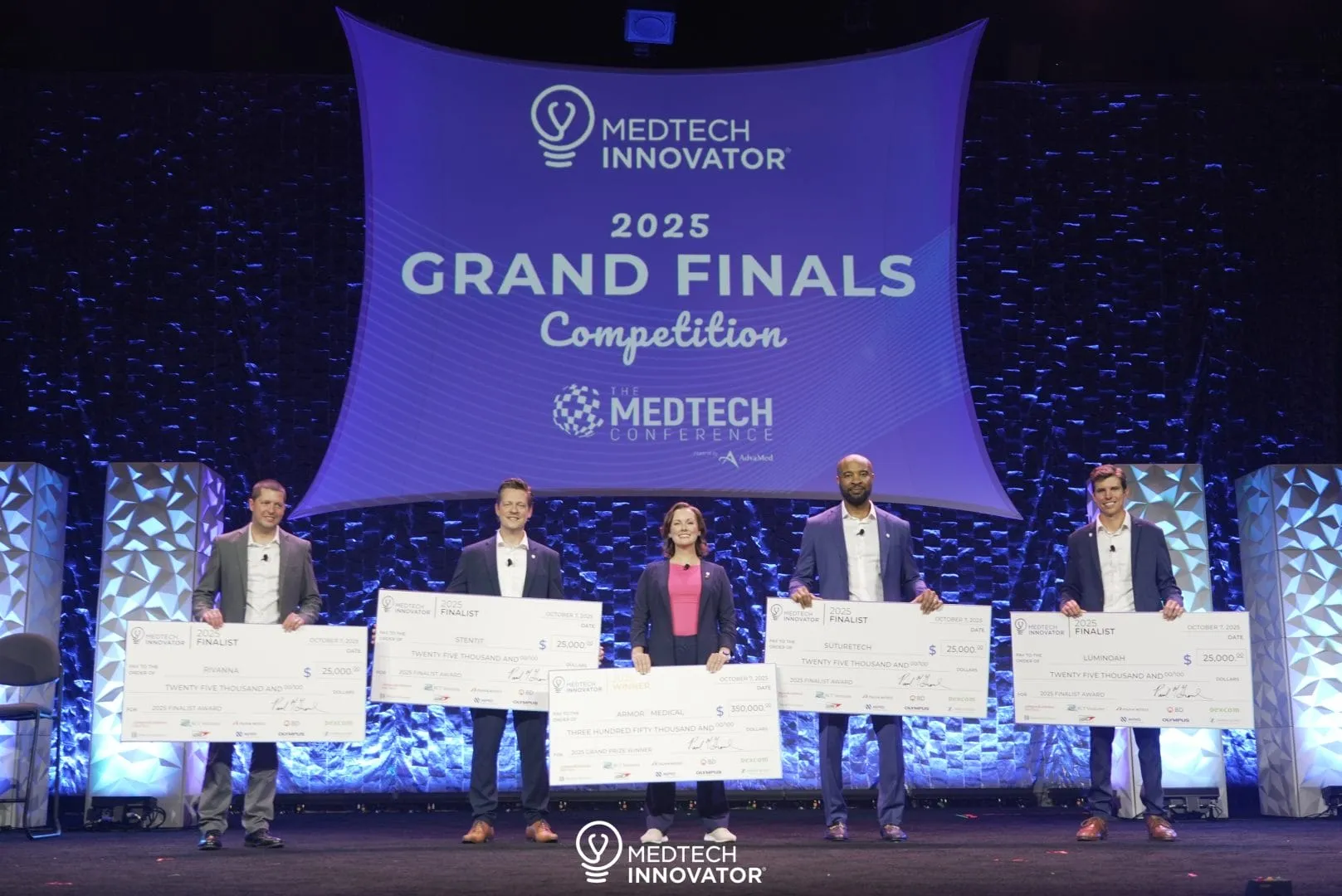
MedTech Innovator Grand Prize Armor Medical at MTC 2025
MTI Top Finalists at MTC 2025
MedTech Innovator Grand Prize Armor Medical at MTC 2025
MedTech Innovator Grand Prize Armor Medical at MTC 2025
MedTech Innovator Grand Prize Armor Medical at MTC 2025
Looking ahead: HardTech Experience Required
MTC 2025 reminded us how much this industry still runs on optimism, and how that optimism must always be paired with accountability. We’re seeing big industry moves around AI, and that revolution will continue to accelerate, regulation will evolve, and manufacturing will keep shifting.
What won’t change is the need for teams who can think across systems, anticipate uncertainty, and design for both innovation and compliance.