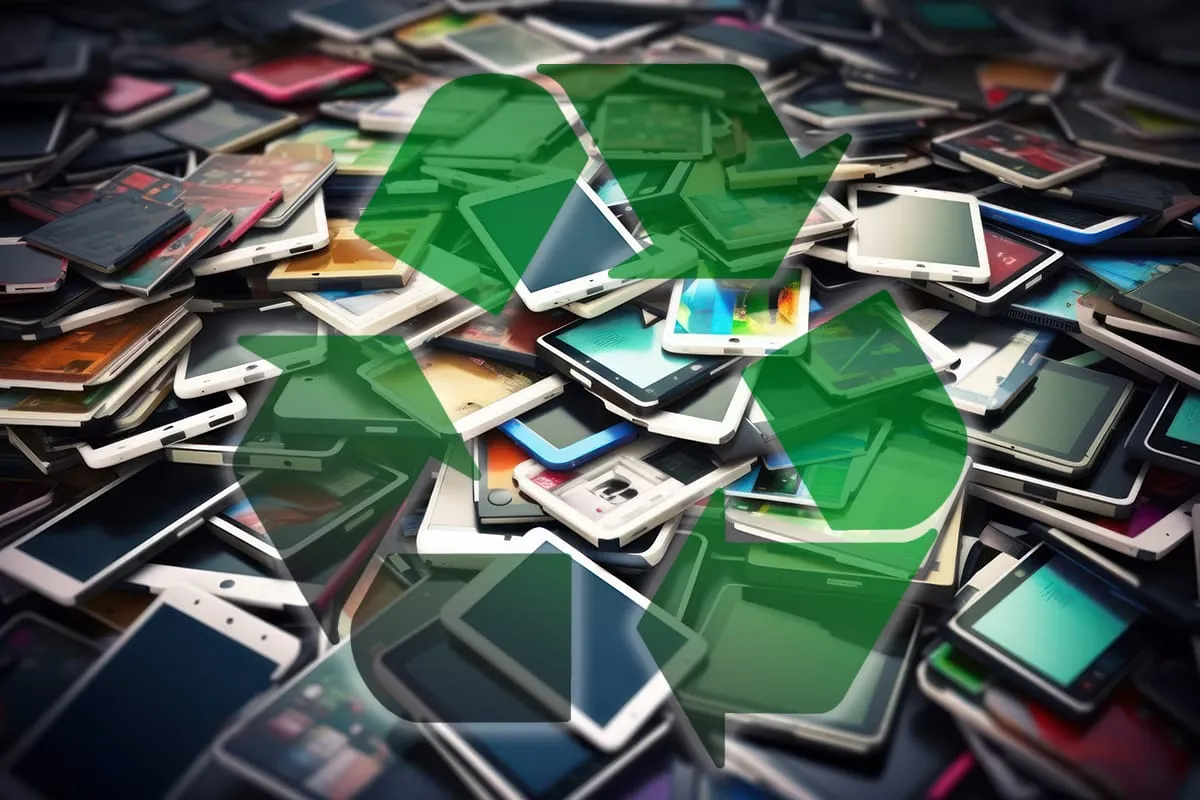

It's staggering how much electronic waste (e-waste) the world generates annually, reaching 57 million metric tons in 2021 and increasing at a rate of 2 mt each year. Of that amount, only a small percentage of e-waste is recyclable, partly because of the intricate composition and dense assembly of small components in electronic devices. These components require extra steps in the recycling process, such as disassembly, sorting, and separating. Naturally, it follows that integrating an e-waste reduction plan into your sustainable design strategy can make a difference by enabling recycling and environmental stewardship.
In Part 1 of our series on Sustainable Design Strategies, AC Senior Mechanical Engineer Sierra Wolf describes how AC helps you embrace the top 5 opportunities to design for sustainability (DFS).
In Part 2, she explores some of the critical design opportunities that reduce e-waste and build recyclability into your consumer electronic device.
Thoughtfulness about sustainability early in the design phase makes an impact across your product's lifecycle while lowering the related implementation costs.
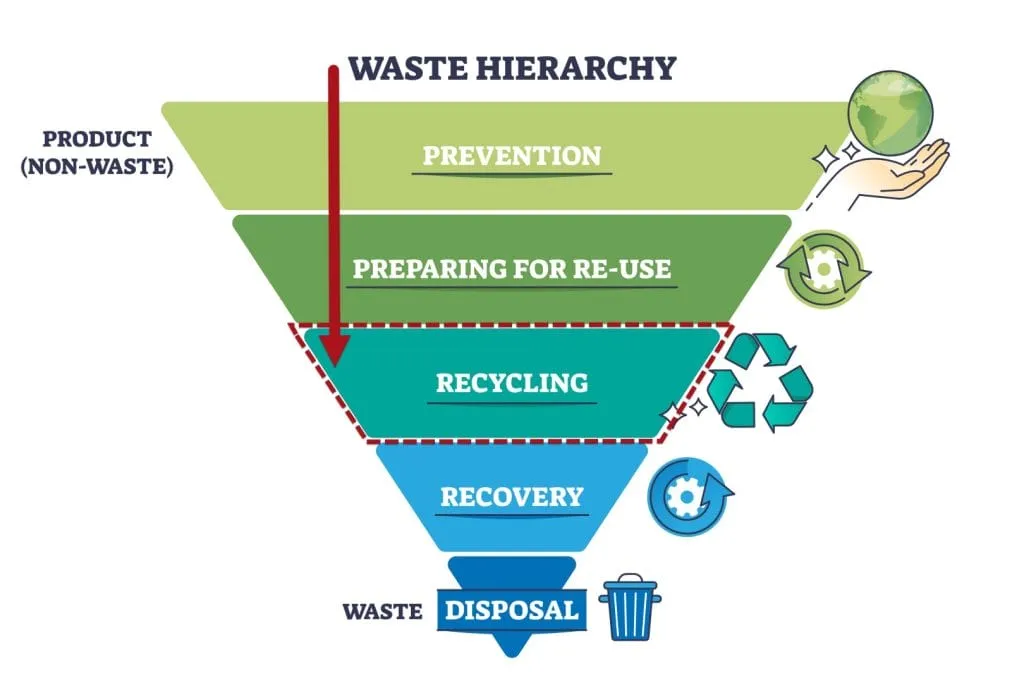
Recycling may be further down the waste hierarchy pyramid than other methods, but it is valuable to product developers because of its achievability and immediate environmental impact.
By prioritizing e-waste reduction and product recycling in your product design, you also glean several valuable benefits:
Let's look at some practical approaches to tackling e-waste through thoughtful product design.
The biggest challenge to recovering and recycling for e-waste reduction is the complex processing of multiple types of materials, such as batteries, PCBs, flame retardant coatings, paints, grease, and more.
Multiple materials require several distinct and costly steps in the recycling process:

Unfortunately, despite the thorough and labor-intensive recycling process, there is still a contaminated and degraded end product.
Choosing fewer materials that are easier and cheaper to recycle makes sorting and assembly recycling easier. This strategy is beneficial when combined with company-driven recycle/return policies because your product will not be mixed with other e-waste, which allows for a simplified sorting process and an uncontaminated result. We also consider additives such as paint, grease, adhesives, and coatings during this step.
The chart below serves as a rough guide to material recyclability, but our engineers can help with a more in-depth analysis of your product.
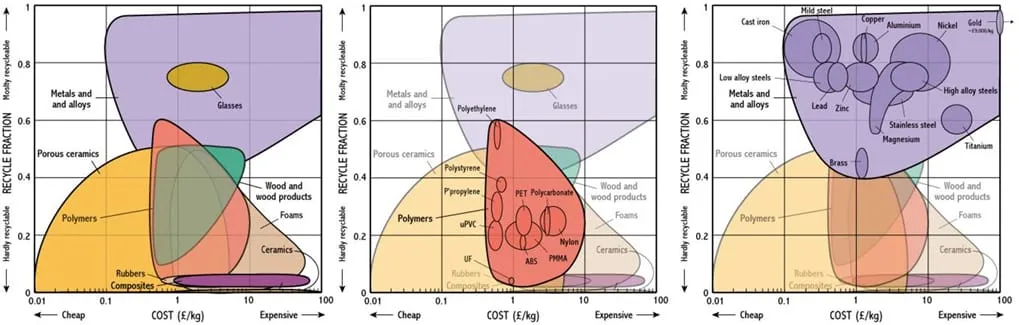
By engineering your product with materials, disassembly, and sorting in mind, we enable the recovery or recycling of complete assemblies or high-value parts with less effort and cost.
Sustainability Goal, Strategies & Challenges
Sustainability Goal
Strategies
Challenges
Enable the recycling of a complete product assembly
Recycling multiple materials in one assembly, such as the battery and printed circuit board (PCB), is more complex and requires several distinct and costly steps
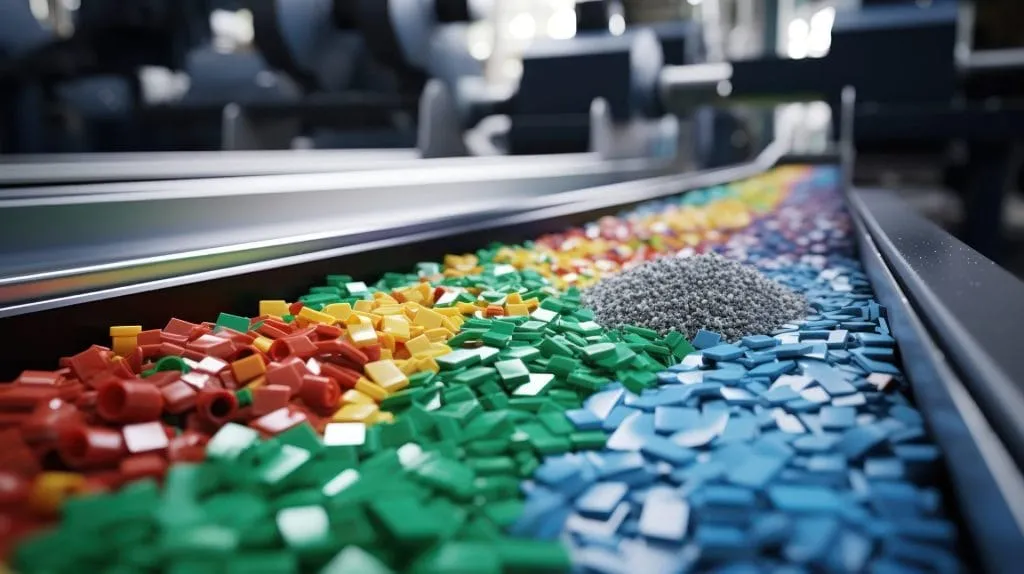
Another sustainable design approach for e-waste reduction is to select post-consumer recycled (PCR) materials instead of virgin plastics. Using PCR materials directly reduces the amount of landfill waste while providing a marketable solution that consumers increasingly seek.
Consumer electronic products usually work well with a blend of PCR and virgin material. Our goal is the right balance that enables using as much recycled material as possible while meeting your product's performance requirements.
Although PCR materials do not have the same material strength as virgin plastics, we can often make up for the deficiencies in the material through smart engineering choices and structural improvements.
Sustainability Goal, Strategies & Challenges
Sustainability Goal
Strategies
Challenges
Use PCR materials instead of 100% virgin resin
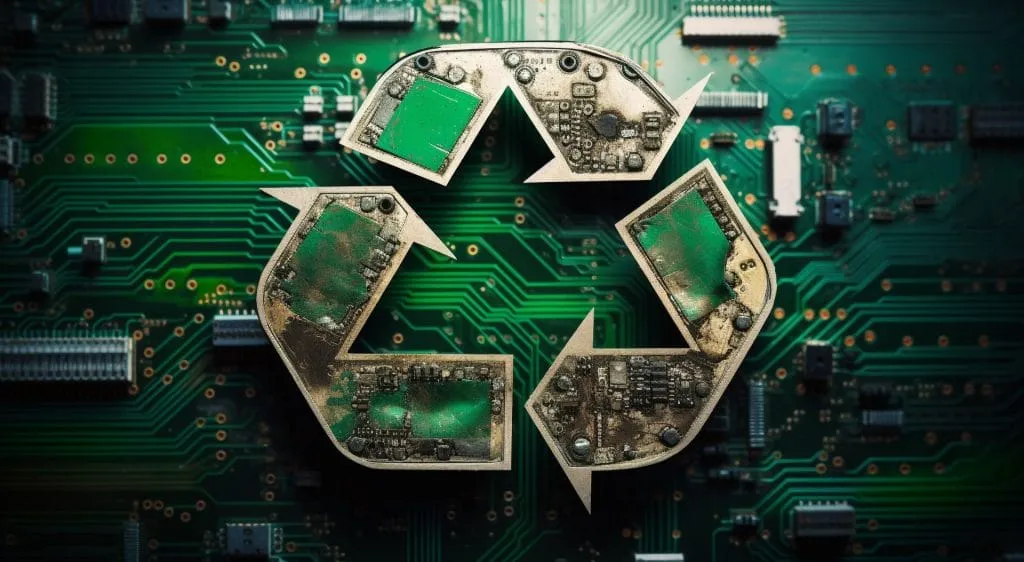
Another e-waste reduction strategy includes planning to recover and recycle printed circuit boards (PCBs).
PCBs are currently the only cost-effective part to recycle. The cost of recycling most engineering plastics exceeds the current market price of the final material, though this may change as demand for PCR material continues to increase. PCBs, however, include high-value materials, like copper, silver, gold, and palladium, that can more than offset recovery costs. They also have the highest environmental impact with chemicals and metals that can leach into the groundwater.
More sustainable PCBs are being developed through emerging technologies and materials, though they are still not widely available. While the industry waits for better solutions, designing with a recovery plan in mind is the best approach. Recovering the PCB becomes another key sustainability goal when creating a modular product that is easier to disassemble.
Sustainability Goal, Strategies & Challenges
Sustainability Goal
Strategies
Challenges
Plan for the recovery and recycling of PCB materials
Bioplastics or compostable materials are often not suited to the rigorous requirements of products; however, these alternatives are frequently functional for sustainable packaging. Because packaging is usually not required for life cycle usage, it is a prime candidate for recycled materials.
Taking sustainable packaging even further, repurposing your product's box or container for the consumer to use rather than discard also helps prevent landfill waste. Finding new life for your packaging can also be a fun and engaging way of demonstrating your commitment to sustainability.

Sustainability Goal, Strategies & Challenges
Sustainability Goal
Strategies
Challenges
Plan for the recycling of product packaging
The options we explored today at a high level are just some of the choices to consider. We understand that each business, product, and customer need is unique. That's why we work with you to understand your requirements and accurately reframe your product development process into one geared towards DFS.
AC engineers have experience navigating sustainable strategies that complement and enhance your product's design. We can help you achieve DFS and e-waste reduction while delighting your growing ecologically-minded customer base.
Connect with one of our engineers to explore the possibilities for your next sustainable product today!